
DOMINANT ANGLE
Paris sees Donald Trump's refusal as a calculated setback, which shuts down but does not entirely close the Qatari track opened by Tehran.
Dominant angle identified — does not reflect unanimity of this country’s media
KEY POINTS
- 01
The Iranian plan called for a seven-day cessation of hostilities and the reopening of the Ormuz Strait, in exchange for the lifting of the naval blockade, oil sanctions, and the unfreezing of at least $12 billion in assets.
- 02
Donald Trump said he rejected the proposal on Saturday, September 26, then posted a map on Truth Social of the strait renamed "Trump Strait".
- 03
According to the Wall Street Journal, Donald Trump thinks it is likely that strikes will resume after the November midterm elections.
ANALYSIS
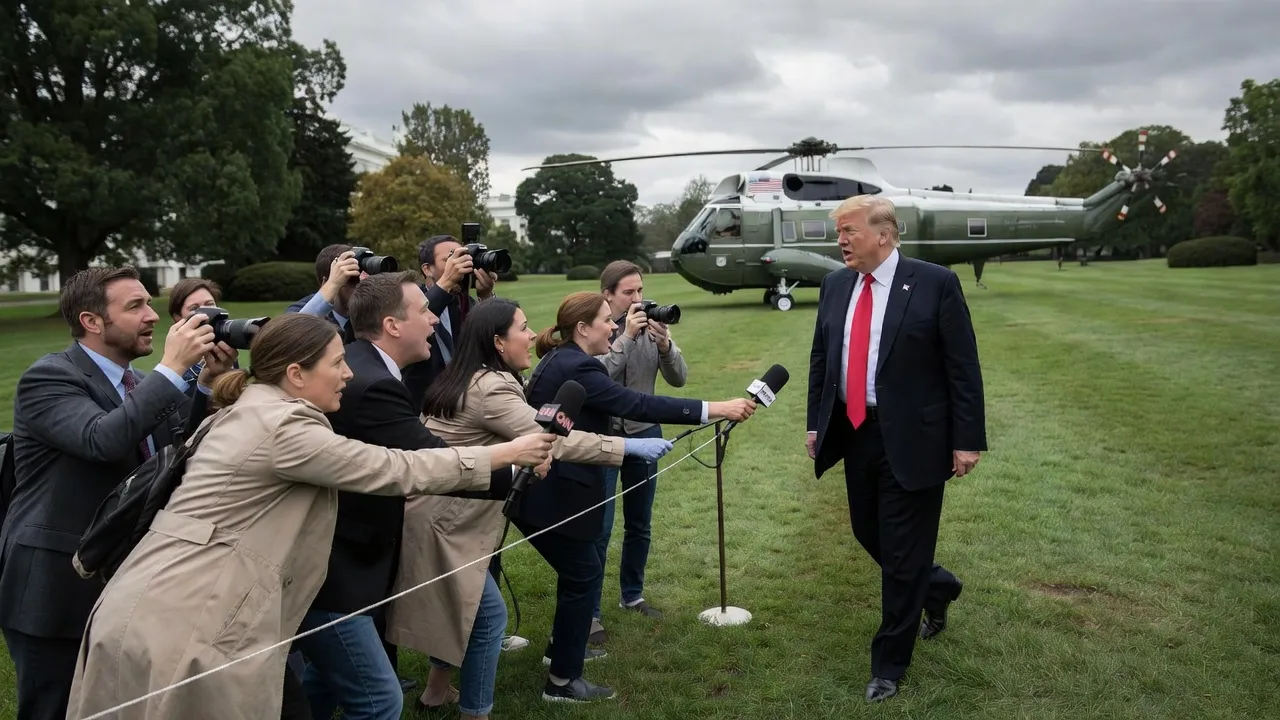
Paris, September 27, 2026. The French press first notes the statement by the American president: "I reject their proposal." Spoken on Saturday, September 26, before the press outside the White House, this sentence provisionally closes a week of negotiations conducted on the sidelines of the United Nations General Assembly in New York. According to the accounts of Le Monde, L'Obs, BFMTV, and Sud Ouest, Iran had transmitted a plan on Friday, via Qatari mediators, providing for the reopening of the Strait of Ormuz within seven days, in exchange for the lifting of the American naval blockade, the end of oil sanctions, and the unfreezing of assets worth at least $12 billion, conditions already included in the agreement protocol signed in June. Iranian Foreign Minister Abbas Araghchi had stated from the UN headquarters that "the choice now belongs" to Washington.
The strait is at the heart of a conflict triggered at the end of February by American-Israeli strikes on Iran; before the war, a fifth of the world's hydrocarbons transited through it. Since then, the Islamic Republic has claimed control over it, while Washington has maintained a blockade on Iranian ports, according to Le Monde and BFMTV.
What the French editorial offices emphasize is the mechanics of the decision on the Iranian side as well as the content of the plan: President Massoud Pezeshkian specified to CBS that the proposal had been developed "in coordination" with Supreme Leader Mojtaba Khamenei, "the ultimate arbiter" of the Islamic Republic's decisions, and that a team of six members, combining the army, parliament, and government, had been given decision-making power.
Donald Trump's refusal is seen in the light of the American electoral calendar. The Wall Street Journal, cited by La Tribune, L'Obs, and Sud Ouest, reports that the president considers it likely that bombing will resume after the November midterm elections, estimating that Tehran is unable to keep its commitments. His map of the strait renamed "Strait Trump", published on Truth Social even before the official announcement, is presented as a "sign of the persistent distrust" between the two capitals.
On Sunday, Abbas Araghchi maintained his conditions, ensuring that Tehran had "never closed the door" to negotiations, in the absence at this stage of official transmission, by the Qatari mediators, of the final American positions.
SOURCES (5)
- Sud OuestMEDIUM
- L'ObsMEDIUM
- BFMTVMEDIUM
- La TribuneMEDIUM