
DOMINANT ANGLE
Berlin first assesses the energy dimension of the American refusal, with Tagesschau linking the prolonged blockade of the Strait of Ormuz to the global rise in energy prices rather than the diplomatic terms of the exchange.
Dominant angle identified — does not reflect unanimity of this country’s media
KEY POINTS
- 01
Tehran has transmitted to Washington, via Qatar, a "seven-day plan" providing for the reopening of the Strait of Hormuz, announced Minister Abbas Araghtschi on September 26 in New York.
- 02
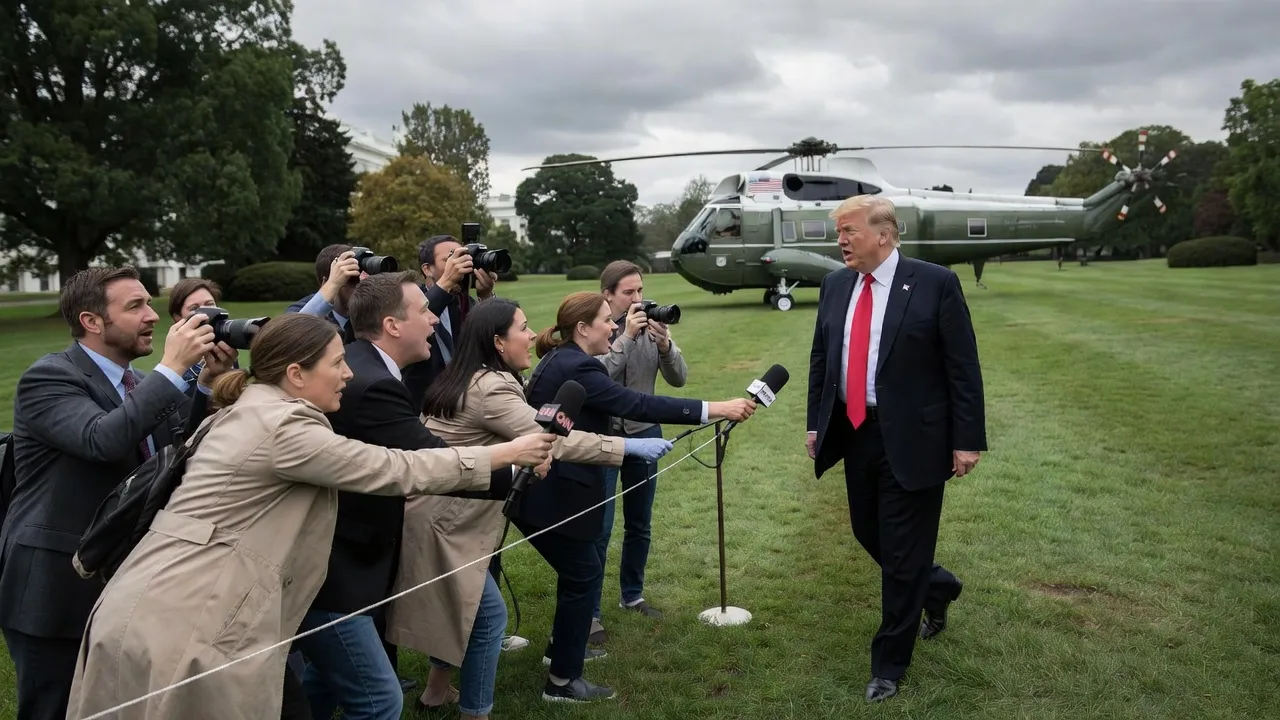
Donald Trump rejected the offer to the press at the White House: "I rejected their agreement", citing the pressure exerted by the naval blockade on Iranian oil revenues.
- 03
According to the Wall Street Journal, Trump is considering resuming strikes against Iran after the November 3 midterm elections, and has renamed the strait "Trump Strait" on Truth Social.
ANALYSIS
Berlin, September 27, 2026.
The public broadcaster Tagesschau and the economic daily Handelsblatt are primarily focusing on the energy dimension of the standoff around the Strait of Ormuz, which has been blocked "for months, with consequences for the economy," according to Tagesschau. On Saturday, September 26, Iranian Foreign Minister Abbas Araghtschi confirmed in New York, on the sidelines of the UN General Assembly, that Tehran had transmitted a "seven-day plan" to Washington via Qatar: if the United States accepted it, Iran would reopen the maritime route, in four or five days, according to him. Donald Trump rejected the agreement outright in front of the press at the White House: "I rejected their agreement." He justified this refusal by recalling, according to Handelsblatt, that the American naval blockade is already depriving Iran of its oil revenues and thus maintaining economic pressure on Tehran.
The two media outlets note that Trump had published a map of the strait, renamed "Trump Strait," on Truth Social the previous evening, Friday, September 25 - a gesture that the German press reports without further comment. According to the Wall Street Journal, cited by Tagesschau and Handelsblatt, Trump is considering resuming strikes against Iran after the midterm elections to Congress on November 3. However, before the UN, he had mentioned the possibility of an agreement after this election.
The Iranian plan reiterates the terms of the protocol signed in June: an end to the naval blockade, lifting of sanctions on Iranian oil sales, and a cessation of hostilities extended to Lebanon. Tagesschau recalls that the war began at the end of February with Israeli-American strikes against Iran, followed by Iranian reprisals against Gulf neighbors, and that Tehran has since maintained the blockade of the strait - a factor, the channel emphasizes, in the global increase in energy prices. Saudi Arabia is also reporting new attacks in the region.
For the German press, which is dependent on global energy supplies, the immediate issue is therefore not so much diplomatic as the persistence of a petroleum bottleneck whose outcome remains tied to the American electoral calendar.