
DOMINANT ANGLE
Islamabad is first measuring the impact of the American refusal on oil prices and traffic in the Strait of Hormuz, a vital artery on which a large part of the country's energy imports depend.
Dominant angle identified — does not reflect unanimity of this country’s media
KEY POINTS
- 01
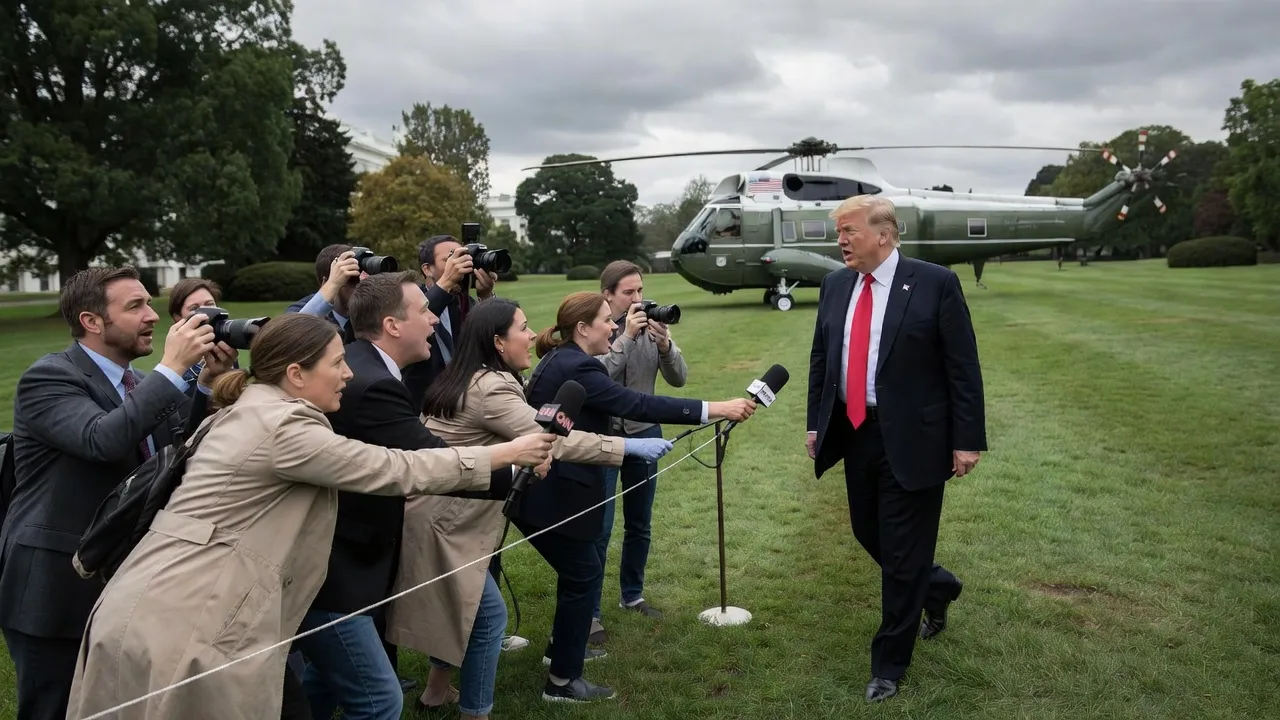
Donald Trump stated on Saturday, September 26: "I reject their proposal... I rejected their agreement," from the White House.
- 02
The Iranian plan called for seven days of cessation of hostilities in exchange for the lifting of the naval blockade, oil sanctions, and the unfreezing of at least $12 billion in assets.
- 03
President Massoud Pezeshkian told CBS that coordination of the plan with Supreme Leader Mojtaba Khamenei "was carried out".
ANALYSIS
Islamabad, September 27, 2026. For the Pakistani press, the US rejection of the Iranian proposal on the Strait of Hormuz confirms the fragility of an energy route on which a large part of the country's oil supplies depend. According to Geo News, Donald Trump stated on Saturday, September 26, from the White House: "I reject their proposal... I rejected their agreement." He justified his refusal by claiming that Tehran sought to reopen Hormuz "immediately because they are losing very widely" while the United States "is gaining enormously," adding that it controls the maritime route despite the naval blockade imposed on Iran.
The plan, presented to the United Nations General Assembly and transmitted through Qatari mediators, provided for seven days of cessation of hostilities throughout the region before the reopening of the strait and the resumption of discussions on the Iranian nuclear issue, in exchange for the lifting of the naval blockade, oil sanctions, and the unfreezing of assets estimated at at least $12 billion — conditions repeated, according to Business Recorder, from the protocol signed in June.
President Massoud Pezeshkian told CBS that coordination with Supreme Leader Mojtaba Khamenei "has been carried out," and that a six-member committee, combining the army, parliament, and government, has "the authority to decide." "If the United States accepts and fulfills its obligations, we will do the same," he added. Minister Abbas Araghchi recalled that the plan's conditions repeated those of the June memorandum.
For Islamabad, the issue goes beyond diplomacy: Hormuz remains the mandatory passage for a large part of the oil imported by Pakistan, and the Wall Street Journal, cited by Geo News, reports that Trump considers it likely that bombing will resume after the November midterm elections — a scenario that would prolong uncertainty over prices and supply flows for already fragile economies like Pakistan's. A US official had earlier described the discussions via mediators as "positive and constructive." The local press also notes that Tehran has associated its Saudi rival with discussions on the strait, a sign of the regional stakes in a seven-month-old conflict that continues to disrupt oil flows in a critical maritime route for the region's energy importers.