
DOMINANT ANGLE
Singapore weighs the American refusal first in terms of oil and maritime freight, more than in the course of a diplomatic round at the UN.
Dominant angle identified — does not reflect unanimity of this country’s media
KEY POINTS
- 01
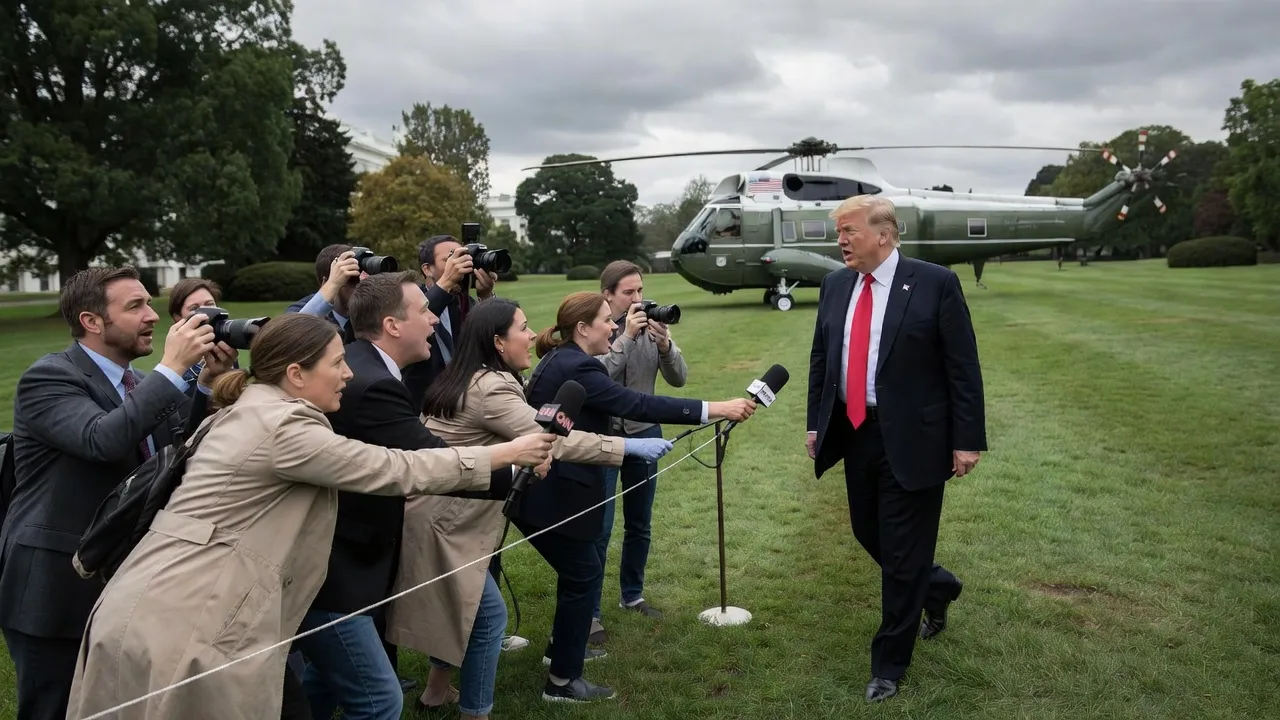
Donald Trump stated on Saturday, September 26: "I reject their proposal... I rejected their agreement," before flying to Tennessee.
- 02
The Iranian plan, transmitted through Qatari mediators, offered seven days of cessation of hostilities and the reopening of Ormuz, but excluded any concessions on the nuclear program or uranium enrichment.
- 03
Iranian President Massoud Pezeshkian stated after meeting Antonio Guterres: "Iran has not left the negotiating table, but given the past, it no longer trusts the United States."
ANALYSIS
Singapour, 27 September 2026. For the city-state's press, the refusal opposed on Saturday, 26 September by Donald Trump to the Iranian plan is first read through the prism of oil and maritime traffic, the city being one of the major hubs of global energy trade. The Straits Times and Channel News Asia report that the American president outright rejected the proposal transmitted by Tehran via Qatari mediators on the sidelines of the United Nations General Assembly: "I reject their proposal... I rejected their agreement."
The Iranian plan promised seven days of cessation of hostilities in the Middle East and the reopening of the Strait of Hormuz, a strategic lock through which a major part of the world's oil transits, but Tehran refused any concession on its nuclear program or uranium enrichment, specifies The Straits Times. Donald Trump justified his refusal by Iran's financial situation, stating that Tehran sought an agreement "because they are losing so heavily" and "because they no longer have any money coming in, since they draw their revenue from the Strait of Hormuz". He added: "We are winning enormously", before flying to Tennessee.
The Straits Times notes that Washington maintains an economic blockade on Iran to pressure Tehran into lifting its own blockade of the strait, which has significantly reduced maritime traffic in the area, even as Trump reaffirmed that the United States retains control of it. The conflict, now at an impasse for nearly seven months despite new mediation efforts this week, continues to disrupt oil flows and the global economy, while Iran and its allies pursue their attacks in the region despite fruitless diplomatic attempts since February.
Channel News Asia reports that Iranian President Massoud Pezeshkian, back from New York after meeting with UN Secretary-General Antonio Guterres, stated: "Iran has not left the negotiating table, but given the past, it no longer trusts the United States." Earlier in the week, Iranian Foreign Minister Abbas Araghchi had spoken with a Donald Trump emissary.
For Singapour, a logistics hub and regional refiner, the persistence of the blockade in Hormuz directly affects the freight costs and energy supply of Asia, more than the diplomatic outcome itself.