
DOMINANT ANGLE
Jakarta is scrutinizing the procedural gap between the public rejection of Donald Trump and the lack of official response transmitted by Qatari mediators.
Dominant angle identified — does not reflect unanimity of this country’s media
KEY POINTS
- 01
Abbas Araghchi says Iran is waiting for an official US response conveyed through mediators, despite Trump's public rejection (CNN Indonesia).
- 02
Donald Trump, questioned by journalists: "I reject their proposal. They want to make a deal... because they are suffering heavy losses" (CNN Indonesia).
- 03
According to Tempo English, Washington accuses Tehran of having fired on commercial ships in the strait after the failure of the June protocol, and maritime traffic in Hormuz remains at a standstill.
ANALYSIS
Jakarta, September 27, 2026. The Indonesian press first notes the diplomatic hiatus between Donald Trump's public statement and the silence of official channels. According to CNN Indonesia, Iranian Foreign Minister Abbas Araghchi assured on Sunday that Tehran had "received nothing official through mediators," despite the rejection already expressed by the American president. "We heard the first reaction from the American president, but nothing was transmitted to us officially by the mediators," he said, quoted by Anadolu. Araghchi claims to be waiting for the final position transmitted by the intermediaries before making any decision, adding that Iran's conditions have already been outlined during meetings in New York.
These conditions, he specifies, do not go beyond what was included in the agreement protocol signed with Washington in June, a text that fell into disuse a few weeks later amid a resurgence of fighting, including in Lebanon. This memorandum provided for the easing of sanctions, the unfreezing of frozen assets, and the cessation of military operations.
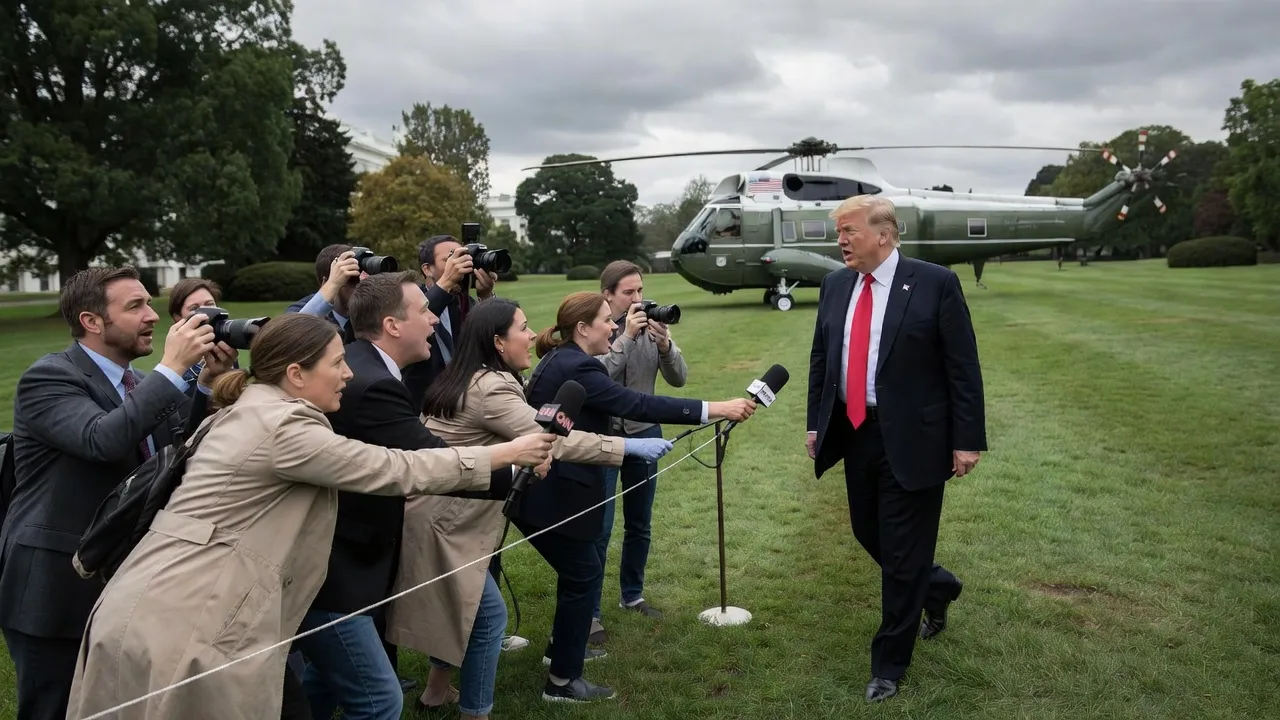
On the substance of the American refusal, CNN Indonesia directly relays Donald Trump's remarks when questioned by journalists: "I reject their proposal. They want to conclude an agreement to quickly reopen the strait because they are suffering heavy losses." The American president adds that he appreciates "concluding deals," but judges this agreement unacceptable as it stands.
Tempo English resituates the episode in the chronology of the conflict: after the signing of the protocol in June, tensions resumed three weeks later, with Washington accusing Tehran of having fired on commercial ships in the strait. The two sides have since resumed their strikes, and maritime traffic in the Hormuz Strait remains, according to the media, at a standstill.
The Indonesian press does not mention the American mid-term electoral calendar in November, nor the renaming of the strait to "Trump Strait" mentioned on Truth Social, two central elements of other international coverage. It prioritizes procedural follow-up: who said what, through which channel, and what remains pending as long as Washington has not formally responded through mediators.