
DOMINANT ANGLE
The United States government draws a clear line: Iran's plan to reopen the Strait of Ormuz in seven days is not acceptable, and the President is turning the refusal into a show of force just five weeks before the midterm elections.
Dominant angle identified — does not reflect unanimity of this country’s media
KEY POINTS
- 01
Donald Trump deemed the Iranian offer "unacceptable" on Saturday, September 26, as he left the White House, according to NPR.
- 02
The Iranian plan, transmitted via Qatar and detailed by Abbas Araghchi on Friday, September 25, called for the reopening of the strait in seven days in exchange for the lifting of the naval blockade, oil sanctions, and the unfreezing of assets, according to NBC News.
- 03
Trump posted a map of the strait, renamed "Trump Strait", on Truth Social Saturday morning, which ABC News links to the November midterm election calendar.
ANALYSIS
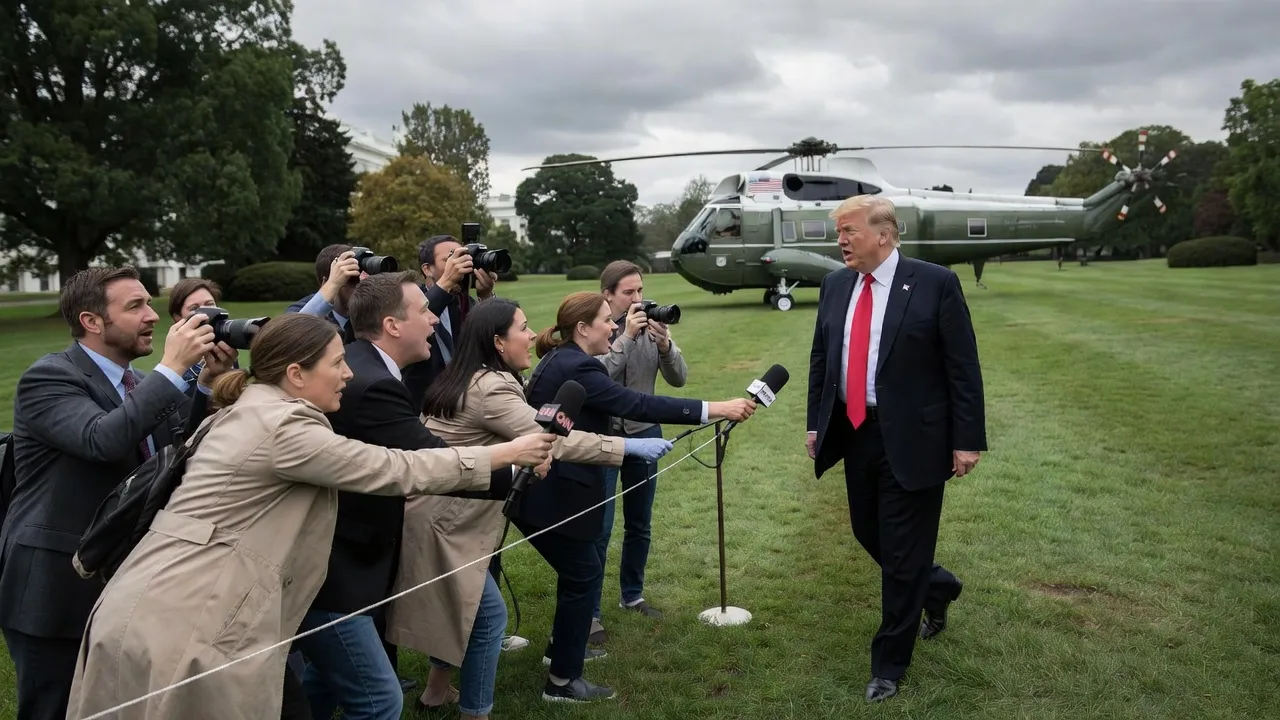
The United States, September 27, 2026. President Donald Trump made it clear on Saturday, September 26: the Iranian proposal to reopen the Strait of Hormuz in seven days "would not be acceptable". Speaking to journalists as he left the White House, he dismissed the offer transmitted by Tehran via Qatar on the sidelines of the United Nations General Assembly: "I also like to make a deal, but... this deal would not be acceptable", he said, according to NPR. The President immediately requalified the Iranian approach as a sign of weakness: "They want to make a deal to reopen the strait immediately because they are losing so heavily."
The plan, detailed on Friday by Foreign Minister Abbas Araghchi to the press at the Security Council, provided for the reopening of the strait six days after American acceptance, then the resumption of discussions on the Iranian nuclear program on the seventh day, in exchange for the lifting of the naval blockade, oil sanctions, and the unfreezing of Iranian assets — conditions already included, according to Araghchi, in the agreement protocol signed in June and remained a dead letter after new strikes. "The choice now belongs to the United States", he insisted, according to NBC News.
On the American side, the White House limited itself to mentioning "positive and constructive" exchanges with the mediators, specifying that it was not in a hurry to conclude. A few hours after Trump's rejection, he published on Truth Social a map of the strait renamed "Trump Strait", a gesture that ABC News relates to the electoral calendar: the Iranian offer, notes the agency, could "help Trump before the midterm elections".
In fact, the repeated closure of the strait — a fifth of the world's oil and gas before the war — has posed "political problems" for the President and his Republican camp as the November election approaches, according to the Associated Press. Iran had closed the maritime route after the US-Israeli strikes on February 28; the June agreement, intended to put an end to it, had collapsed over a disagreement on formulation, particularly on the control of the strait. Washington is therefore displaying public firmness, while leaving the door ajar to Qatari mediators, without setting a deadline or counter-proposal.