
DOMINANT ANGLE
Doha is gauging the blow to its mediation without deeming it fatal: Tehran claims it is still waiting for an official response from Washington, transmitted through the same channels that had carried the plan in seven days.
Dominant angle identified — does not reflect unanimity of this country’s media
KEY POINTS
- 01
Donald Trump describes the Iranian plan as "unacceptable" and claims that Tehran formulated it because "the money is no longer coming in" under the American naval blockade (Al Jazeera, September 26).
- 02
Abbas Araghchi responds that Iran "will not back down" from its conditions after the American rejection (Al Jazeera, September 27).
- 03
According to Al Jazeera, Iran claims it is still waiting for an official response from Washington regarding its proposal to reopen the Ormuz Strait within seven days, rather than acknowledging the breakdown (September 27).
ANALYSIS
Doha, September 27, 2026. The American rejection announced on Saturday by Donald Trump primarily affects the diplomatic channel that Qatar has made available for months between Washington and Tehran. The seven-day plan, presented by Iranian Foreign Minister Abbas Araghchi on the sidelines of the UN General Assembly, had been transmitted through Qatari mediators before being dismissed by the White House; its rejection does not close this channel, judging by the Iranian reaction reported by Al Jazeera.
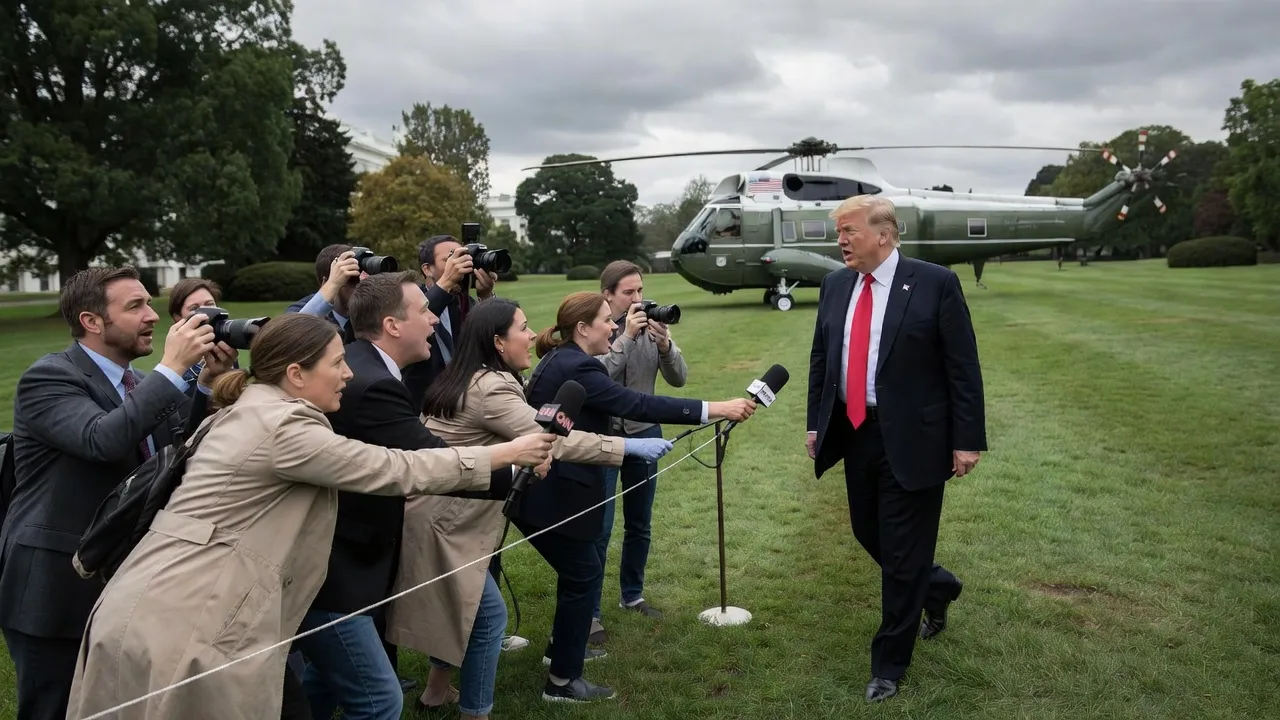
The American president describes the offer as "unacceptable" and claims that Tehran only made it because "the money is no longer coming in" due to the American naval blockade, adding that Iran is "losing so badly" that it is seeking to negotiate. In response, the Iranian foreign minister says that Tehran "will not back down" on its conditions.
Rather than acknowledging a rupture, Abbas Araghchi chooses to ignore Trump's statements and leave the ball in the American court: according to Al Jazeera, Iran claims to still be waiting for an official response from Washington, transmitted through the same intermediaries who had carried the plan. It is this formulation - an expectation rather than a statement of failure - that Doha prioritizes: the channel opened at the time of the signing of the agreement protocol between Washington and Tehran remains, according to Tehran, relevant, even after a public rejection on social media.
The Arabic edition of Al Jazeera places the episode in the long term: 102 days since the signing of the agreement protocol between the two capitals, 211 days since the outbreak of war. This count, absent from the English-language dispatches consulted, recalls the slow pace of the file that Qatari mediation has been accompanying since its origin, and the price that a new failure would have on the credibility of this role.
In the consulted dispatches, neither Trump nor Araghchi is directly questioned about the Qatari role: the channel is used, but the mediators themselves do not appear by name. This silence, at this stage, contrasts with the public exposure of the file that they have been carrying for months between the two capitals.