
DOMINANT ANGLE
Manila is measuring the impact of the American refusal on oil prices and maritime traffic that the energy-importing archipelago depends on
Dominant angle identified — does not reflect unanimity of this country’s media
KEY POINTS
- 01
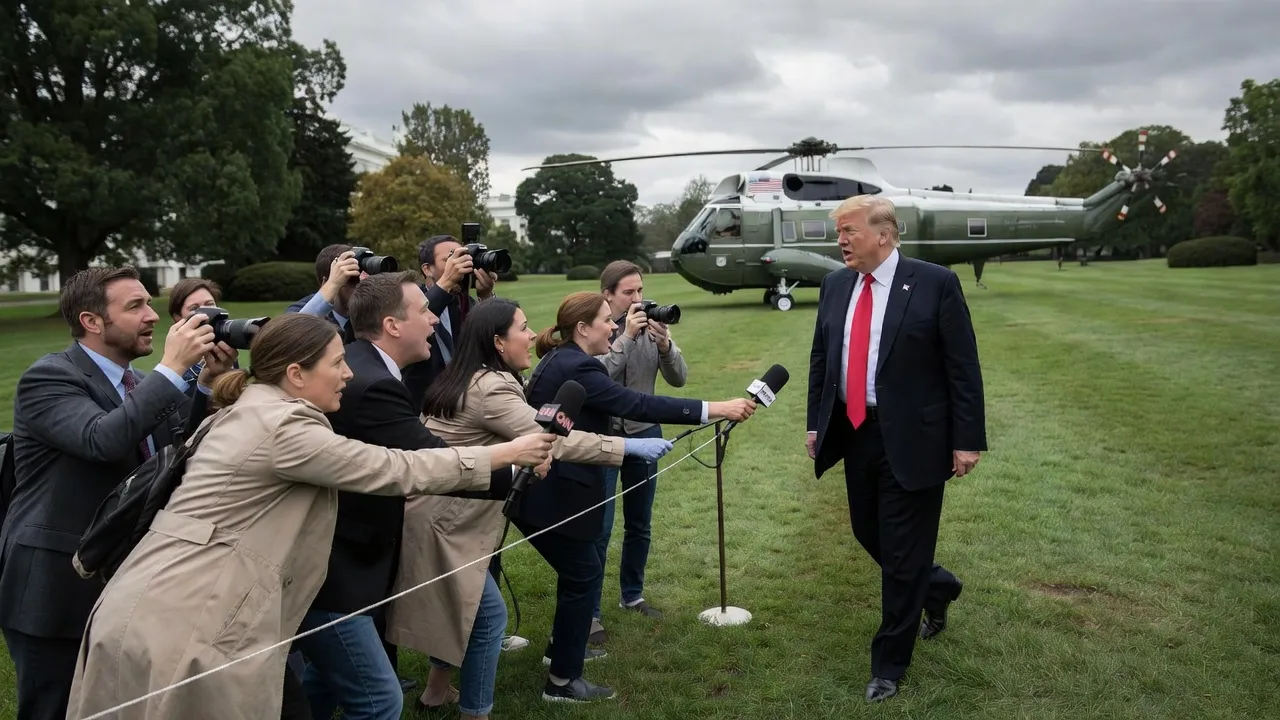
Trump stated on Saturday, September 26, before heading to Tennessee: "I reject their proposal (...) I rejected their agreement"
- 02
The Iranian plan, transmitted through Qatari mediators, provided for seven days of cessation of hostilities before the reopening of the Strait of Hormuz
- 03
According to the Wall Street Journal, Trump privately judges it unlikely that Iran will respect its conditions and is considering resuming strikes after the November midterm elections
ANALYSIS
Manille, September 27, 2026. In the Philippines, where the island economy depends almost entirely on imported oil, Donald Trump's refusal to pave the way for a reopening of the Strait of Hormuz is seen as news that directly affects the national energy bill. On Saturday, September 26, the American president stated that he had rejected the Iranian proposal transmitted by Qatari mediators: "I reject their proposal (...) I rejected their agreement," he said before flying to Tennessee. The Iranian plan promised seven days of cessation of hostilities in the region, at the end of which Tehran would reopen the strategic strait, through which a major part of the world's oil passes.
For Trump, the urgency is on the Iranian side, not his: "They want to conclude an agreement to reopen the Strait of Hormuz immediately because they are losing heavily (...) We are winning enormously," he said, adding that Tehran lacks liquidity since its revenue depends precisely on the strait. Washington maintains an economic blockade on Iran to pressure the Iranian government in response to Tehran's blockade of the strait, which has significantly reduced maritime traffic in the area — a factor closely watched in Manille, where imported freight and fuel transit largely through sea routes sensitive to oil shocks. An American official had nevertheless earlier judged the discussions held with Iran through intermediaries as "positive and constructive".
The Wall Street Journal, cited by the Philippine press, reports that Trump privately considers it unlikely that Iran will respect its conditions and is considering a resumption of strikes after the November midterm elections. On the Iranian side, President Massoud Pezeshkian stated on CBS that the Islamic Republic would honor its commitments and that the plan had been "coordinated with the guide of the revolution," according to excerpts broadcast by the official IRNA agency.
For an archipelago that imports most of its energy, the persistence of the blockade of the Strait of Hormuz — and the lack of any prospect of a short-term agreement — maintains the risk of prolonged pressure on global crude oil prices, without either side seeming eager to give in.