
DOMINANT ANGLE
Jerusalem welcomes the American refusal as confirmation that maximum pressure on Tehran continues to pay off, rather than as a mere disagreement over the Strait of Hormuz.
Dominant angle identified — does not reflect unanimity of this country’s media
KEY POINTS
- 01
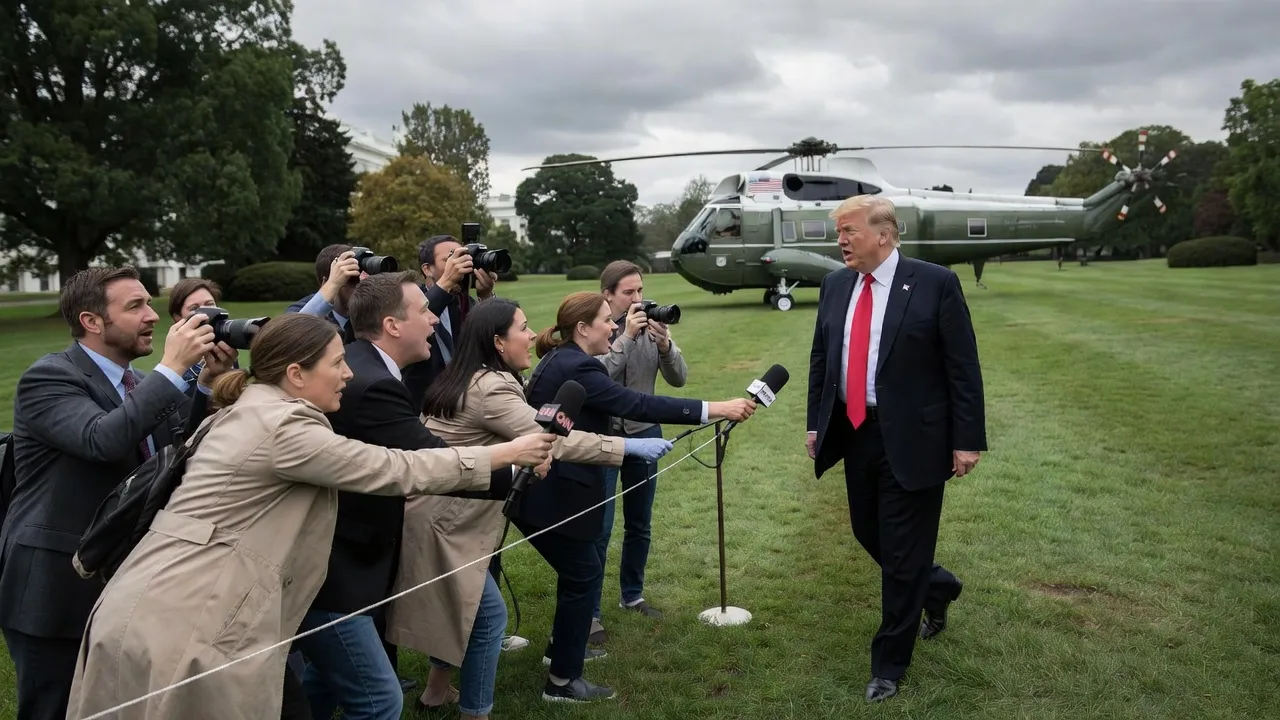
Trump stated on Saturday in front of the White House: "I reject their proposal. I rejected it," asserting that Iran "is losing very heavily" while the United States "is winning tremendously"
- 02
The Iranian plan, presented by Abbas Araghchi at the UN and transmitted via Qatari mediators, provided for seven days of cessation of hostilities followed by the reopening of Ormuz and the lifting of the naval blockade and oil sanctions
- 03
Araghchi specified on Sunday that Tehran had only seen an "initial reaction" from Trump and was still waiting for an official response transmitted by the mediators before deciding on the next steps
ANALYSIS
Jérusalem, September 27, 2026. Israel views Donald Trump's rejection on Saturday of the Iranian proposal to reopen the Strait of Hormuz in seven days as confirmation that maximum pressure is still paying off. "I reject their proposal. I rejected it," the US President said in front of the White House before flying to Tennessee, adding that Tehran "wants to conclude an agreement to immediately reopen the strait because it is losing very badly" while "we are winning enormously".
The plan had been presented to the United Nations General Assembly by Iranian Foreign Minister Abbas Araghchi, transmitted to Washington via Qatari mediators: seven days of cessation of hostilities throughout the region, followed by the reopening of the strategic strait and a return to discussions on the nuclear program, in exchange for the lifting of the US naval blockade and oil sanctions.
On Sunday, Araghchi clarified that Tehran had perceived an initial reaction from Trump but was still waiting for an official response transmitted by the mediators before making a decision. This cautious formulation, relayed by the Israeli press, is interpreted as an admission of weakness rather than a signal of appeasement: Iran would be trying to gain time under blockade, without obtaining the immediate lifting of sanctions or the unfreezing of assets.
For Jerusalem, the US rejection validates the hard line defended for months: no concessions on Hormuz as long as the Iranian nuclear program is not dismantled and the Revolutionary Guards continue their regional operations, including in Lebanon. The likely resumption of strikes after the November midterm elections, mentioned by Trump, is seen as a sign of strategic constancy rather than gratuitous escalation: the seven-day window proposed by Tehran is deemed insufficient to guarantee credible disarmament.
The map of the strait renamed "Trump Strait", published on Truth Social, is more commented on as a communication gesture than as a new diplomatic commitment. The warnings from the Revolutionary Guards, which promise to continue punishing Washington as long as their conditions are not met, reinforce the reading that Tehran is negotiating under constraint, without having renounced its regional nuisance capabilities.