DOMINANT ANGLE
Riyadhh is distancing its position from the US-Iranian standoff: the kingdom is defending freedom of navigation in the Strait of Hormuz while recalling that it has itself suffered direct Iranian attacks.
Dominant angle identified — does not reflect unanimity of this country’s media
KEY POINTS
- 01
Prince Faisal bin Farhan called on the UN on Saturday to preserve the freedom of navigation in the Strait of Hormuz, Bab-el-Mandeb, the Red Sea, and the Gulf of Aden.
- 02
Riyadh demands a return to the conditions prior to February 28, without tolls or restrictions on these maritime routes.
- 03
The Saudi minister mentioned direct Iranian attacks targeting the security, capabilities, and civil and economic infrastructure of the kingdom and other countries in the region.
ANALYSIS
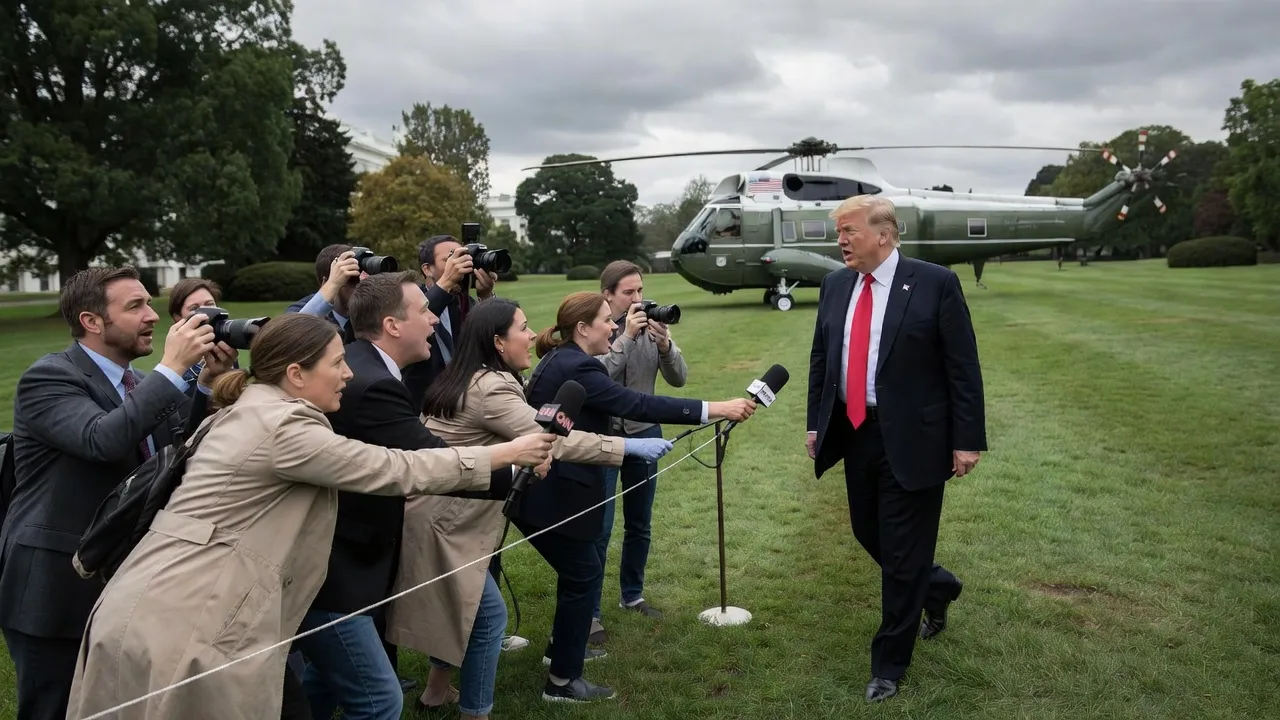
Riyadh, September 27, 2026. Saudi Arabia is closely following the rejection by Donald Trump of the Iranian plan to reopen the Strait of Hormuz in seven days, and on Saturday, the Saudi Minister of Foreign Affairs, Prince Faisal bin Farhan, spoke before the 81st session of the United Nations General Assembly. Without taking a stance on the substance of the exchange between Washington and Tehran, the kingdom stressed the need to "preserve the freedom of navigation" in international maritime routes, specifically mentioning the Strait of Hormuz, Bab-el-Mandeb, the Red Sea, and the Gulf of Aden.
The head of Saudi diplomacy called for a return to the conditions prior to February 28, "without the imposition of tolls or restrictions," and rejected any attempt to use these vital routes "as a tool of pressure, threat, or harm to the interests of other countries." This formula, without naming Tehran, resonates with the Iranian plan transmitted via Qatar: seven days of cessation of hostilities in Lebanon and the region, in exchange for the lifting of the American naval blockade, oil sanctions, and the unfreezing of at least $12 billion in frozen Iranian assets.
Prince Faisal bin Farhan went further by mentioning "direct Iranian attacks against Saudi Arabia and other countries in the region," targeting their security, capabilities, and civilian and economic infrastructure. The kingdom reaffirmed its "full right to protect its security, sovereignty, citizens, residents, and national assets," while calling on the international community to assume its responsibilities in the face of threats to international peace and security. For Riyadh, the security of the Gulf is "inseparable" from that of the region and the world.
The Saudi statement does not explicitly take a position on Donald Trump's rejection or the coordination of the Iranian plan with the Supreme Leader, revealed by President Massoud Pezeshkian on CBS. It places the Hormuz file in a broader framework than the sole American-Iranian confrontation: that of a region where the freedom of navigation remains, according to Riyadh, the primary condition for any stability, and where past attacks against Saudi territory weigh as much as the current negotiations between Washington and Tehran.