
DOMINANT ANGLE
London measures the American refusal of the Iranian plan in seven days first in terms of oil markets, before seeing it as a diplomatic breakthrough.
Dominant angle identified — does not reflect unanimity of this country’s media
KEY POINTS
- 01
The Strait of Hormuz, through which around a fifth of the world's oil and gas supply passes, has been closed since the conflict began in February.
- 02
Donald Trump stated that the United States has "total control" over the strait, where he claims "massive amounts of oil" are transported.
- 03
Abbas Araghchi wrote on Telegram that Trump had made "many contradictory statements", while awaiting an official American response conveyed through mediators, including Oman.
ANALYSIS
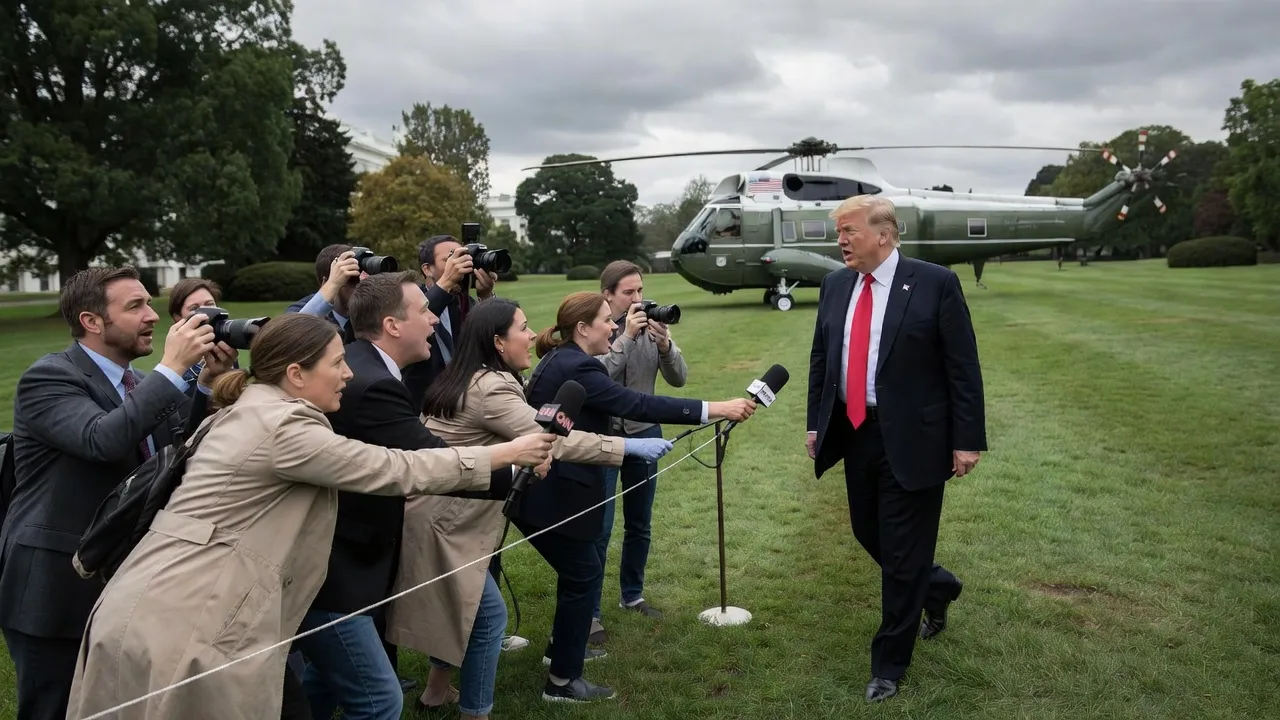
London, 27 September 2026. In the City and Westminster, Donald Trump's rejection of the Iranian plan to reopen the Strait of Hormuz is primarily viewed through the lens of energy markets. The US President dismissed on Saturday the proposal transmitted by Iranian Foreign Minister Abbas Araghchi on the sidelines of the United Nations General Assembly: "I reject their agreement," he stated, claiming that Washington exercises "total control" over the strait, where, according to him, "massive amounts of oil" transit.
The Iranian plan, based on the agreement protocol signed in June, provided for seven days of cessation of hostilities throughout the region, including Lebanon, in exchange for the lifting of the American naval blockade, the suspension of oil sanctions, and a thawing of assets. For the British press, the stakes go beyond diplomacy: the strait, through which around a fifth of the world's oil and gas supply transits, has been closed since the conflict began in February, and its reopening would directly impact energy prices as well as the trajectory of the Iranian economy, whose currency has reached record lows and inflation is soaring.
At the White House, Trump deemed the proposal unacceptable, estimating that Tehran was seeking an agreement "because they are losing so badly". Abbas Araghchi retorted on Telegram, accusing the US President of having made "numerous contradictory statements", while indicating that Iran is now awaiting an official response transmitted by mediators — Oman playing the role of intermediary between Washington and Tehran. The Revolutionary Guards, for their part, have promised to continue "punishing" the United States as long as their conditions are not met.
The most commented-on gesture across the Channel, however, remains symbolic: on Friday night, Trump published on Truth Social a map renaming the maritime route "Trump Strait", an affront that the British press describes as a calculated provocation rather than a diplomatic gesture. This staging, combined with the uncertainty surrounding a possible resumption of bombings after the November mid-term elections, fuels the idea in London that the dossier remains primarily governed by the American electoral calendar and oil prices, rather than a genuine desire for regional de-escalation.