
DOMINANT ANGLE
Ottawa sees this first round in Brazil as a battle for influence between Washington and Beijing, where Senator Flávio Bolsonaro, an ally of Donald Trump, will face off against Lula on October 25.
Dominant angle identified — does not reflect unanimity of this country’s media
KEY POINTS
- 01
According to CBC, the electoral court counts a little over 55.8 million votes for Flávio Bolsonaro versus nearly 53.2 million for Lula; runoff on October 25.
- 02
CBC: a Bolsonaro victory would increase American influence in Latin America, while Lula would deepen the relationship with China.
- 03
The Globe and Mail recalls the 50% tariffs imposed on Brazil by Trump in 2025, related to Jair Bolsonaro's trial, who was sentenced to more than 27 years in prison.
ANALYSIS
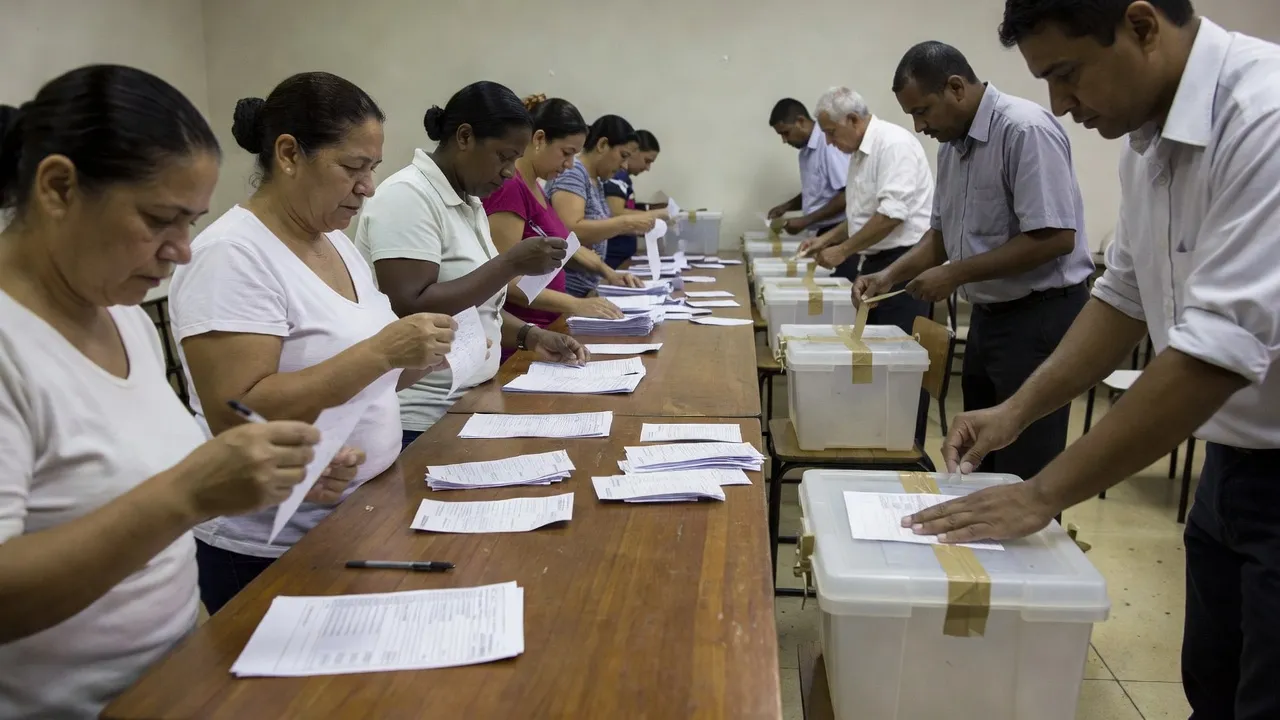
Ottawa, October 5, 2026. For the Canadian press, the first round of the Brazilian presidential election, held on Sunday, October 4, is first and foremost a reflection of the balance of power between Washington and Beijing. CBC News reports that neither Lula, 80, who is seeking a fourth non-consecutive term, nor Senator Flávio Bolsonaro, 45, son of former President Jair Bolsonaro, obtained the required majority. The electoral court in Brasília credits Bolsonaro with just over 55.8 million votes against nearly 53.2 million for Lula. The two men will face off in the second round on October 25.
CBC emphasizes the international scope of the election: the winner will lead "the largest economy in Latin America" and 214 million inhabitants. A Bolsonaro victory, presented as an ally of US President Donald Trump, "would increase US influence in Latin America," while with Lula, Brazil should keep its distance from Washington and deepen its relationship with China. The next term is set to begin on January 5, 2027.
The Globe and Mail, in a text published before the vote, sets the same framework. A victory for the senator would, according to the newspaper, extend a series of successes for right-wing candidates aligned with Trump in Latin America, while Lula's re-election could create "a headache" for Washington, which is in conflict with his government over trade and security. The daily recalls that Trump imposed 50% tariffs on Brazil in 2025, explicitly linking them to the trial of Jair Bolsonaro, who was sentenced to more than 27 years in prison for plotting a coup, a trial described as a "witch hunt" by the US president.
The Globe also describes a campaign dominated by corruption scandals, economic anxiety, and accusations of US interference, with little substantive debate: the two favorites boycotted the major televised debates. Each is rejected by about half of the voters. Flávio Bolsonaro promises to seek amnesty for his father, while Lula opposes "democracy and negationism" and denounces foreign interference. The newspaper also mentions concerns about public finances and stagnant growth.
Both media outlets are therefore treating the election as an indicator of hemispheric orientation, rather than as a strictly Brazilian affair.