
DOMINANT ANGLE
Stockholm is deciphering a first round in Brazil that confirms the anticipated duel between Lula and Eduardo Bolsonaro, and categorizes it as part of the "right-wing wave" in Latin America.
Dominant angle identified — does not reflect unanimity of this country’s media
KEY POINTS
- 01
Flávio Bolsonaro got 47.0% of the vote and Lula 45.2% with 99.99% of ballots counted (Aftonbladet, SvD).
- 02
Lula called the result "unexpected"; Bolsonaro said: "Brazil wants change" (Aftonbladet, SvD).
- 03
The other candidates, about 7% of the vote, are almost all right-wing, which complicates Lula's quest for votes in the second round (Sveriges Radio).
ANALYSIS
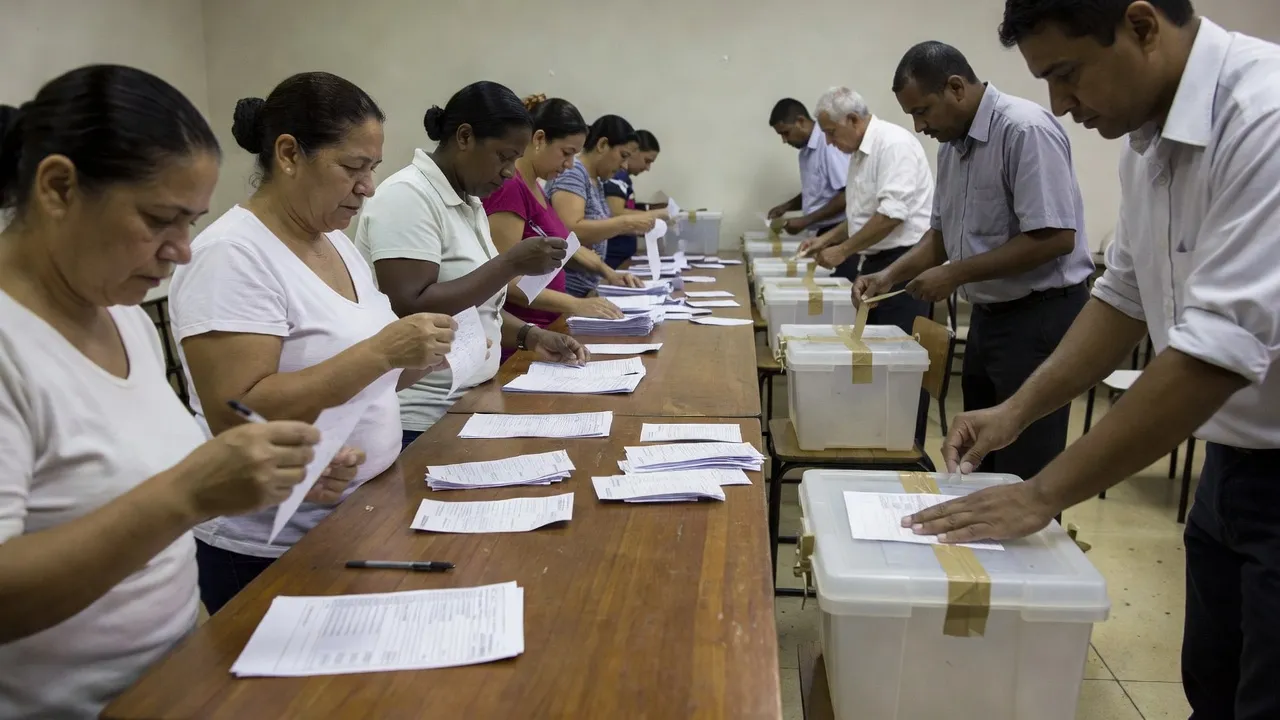
Stockholm, October 5, 2026. Swedish media are reporting on the first round of the Brazilian presidential election as a tight duel that will continue. According to Aftonbladet and Svenska Dagbladet, which are running the same dispatch, Flávio Bolsonaro, the son of the former imprisoned president Jair Bolsonaro, won the first round with 47.0% of the vote, against 45.2% for Lula, once 99.99% of the ballots had been counted. The third, Augusto Cury, from the centrist party Avante, is far behind with 2.9%.
The account emphasizes that the scenario of a second round was expected: the polls showed a balanced balance of power between the left-wing veteran Lula (Workers' Party) and the right-wing candidate of the Liberal Party. "Observers have found that they were right," notes the dispatch. Svenska Dagbladet had indeed interviewed before the vote the Latin America specialist Andrés Rivarola Puntigliano, according to whom the election was "as tight as possible": Lula had the advantage at the start, but Flávio Bolsonaro had strongly caught up in the final stretch of the campaign, to the point where he could "predict nothing".
The two camps are quoted. In front of his home in Brasília, Bolsonaro says: "Brazil wants change, that's how we can interpret what happened today." Lula, during his election night, judges the result "unexpected" and affirms that "in the end, we will have the Brazilian people with us." Sveriges Radio, through the voice of its correspondent in Buenos Aires Lotten Collin, reports the words of a "euphoric" Flávio Bolsonaro: "Now the era of Lula is over, the era of the Workers' Party is over."
The public radio adds an element of arithmetic analysis: the other candidates, who total around seven percent, almost all belong to right-wing parties, so it will be difficult for Lula to go and find votes there. The second round is set for October 25.
The overall framework is that of a choice of direction for the country. Aftonbladet and SvD pose the question in terms of continental trajectory: will Lula manage to get elected for a fourth term and "resist the right-wing wave in Latin America", or will Bolsonaro win and will Brazil follow the trend? The articles in the corpus do not deal with markets, regional results, or Jair Bolsonaro's prison sentence beyond the mention of his imprisonment.