
DOMINANT ANGLE
Berlin is deciphering a "Rechtsrutsch" that goes beyond the presidential election: the Bolsonarist right is making progress everywhere, and Lula has no other choice but to start campaigning again.
Dominant angle identified — does not reflect unanimity of this country’s media
KEY POINTS
- 01
After counting over 99% of the ballots, Flávio Bolsonaro has about 47% of the votes against about 45% for Lula; runoff on October 25 (FAZ, Handelsblatt).
- 02
Tarcísio de Freitas is reelected governor of São Paulo in the first round with nearly 63% of the votes, ahead of Fernando Haddad (FAZ).
- 03
Bolsonaro's Liberal Party will have the largest number of governors and the right has made significant gains in the Senate; no polling institute had predicted this (Handelsblatt).
ANALYSIS
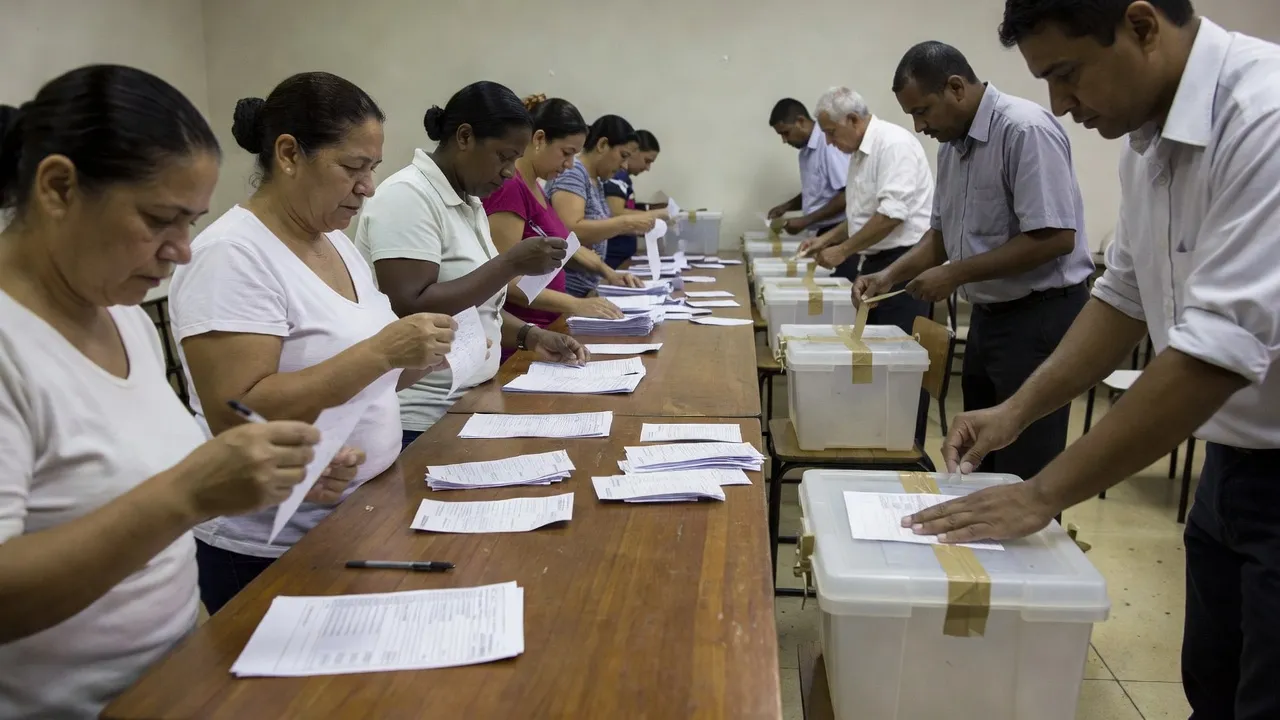
Berlin, October 5, 2026. For the German press, the first round of the Brazilian election on Sunday, October 4, is first and foremost a domestic earthquake. The FAZ speaks of an "unerwarteter Rechtsruck" and estimates that the runoff duel "täuscht darüber hinweg", that the shift to the right is already a done deal. After counting over 99% of the ballots, Flávio Bolsonaro, 45, receives around 47% of the vote against around 45% for Lula, 80; DW reports 47.2% against 45%. Since neither of the two achieved an absolute majority, the second round will take place on October 25.
The newspaper emphasizes the surprise: the day before, most polls saw Lula in the lead or tied. Tagesschau mentions a gap of around three points in favor of the incumbent president, and Handelsblatt notes that no institute had predicted the surge of the right. Tagesschau also recalls that the first results gave Bolsonaro more than 50%, because the states in the South, more favorable to his camp, transmit faster than the Northeast, Lula's stronghold.
The focus then shifts to the parallel elections. Tarcísio de Freitas is re-elected governor of São Paulo in the first round with nearly 63%, ahead of Fernando Haddad. According to Handelsblatt, the Liberal Party (PL) will have the largest number of governors, and the right has clearly strengthened its position in the Senate. The FAZ even judges that, given these results, Lula's arrival in the second round must almost be read as a success. A researcher quoted by DW, Fabio de Sa e Silva, summarizes: "the momentum is with the right".
The explanations put forward are primarily domestic. Tagesschau writes that Flávio Bolsonaro is benefiting from discontent with the cost of living and crime, with promises of a firm hand and reduction of social benefits. On the ground, a Lula voter in Rio fears that Bolsonaro will pardon his father, sentenced to 27 years in prison for attempting a coup, and that Congress will shift even further to the right. Lula acknowledged that he was convinced he would win in the first round and spoke of a "Lektion der Demokratie", before announcing a new campaign.
The international dimension and the markets remain in the background in this coverage. Tagesschau only mentions that Jair Bolsonaro was a close ally of Donald Trump. Handelsblatt, before the vote, presented a fourth term for Lula as a "scénario catastrophe" in business circles.
SOURCES (4)
- FAZMEDIUM
- HandelsblattMEDIUM