
DOMINANT ANGLE
Buenos Aires sees Trump's refusal as a maneuver timed to the US electoral calendar rather than the substance of the Iranian proposal on the Strait of Hormuz.
Dominant angle identified — does not reflect unanimity of this country’s media
KEY POINTS
- 01
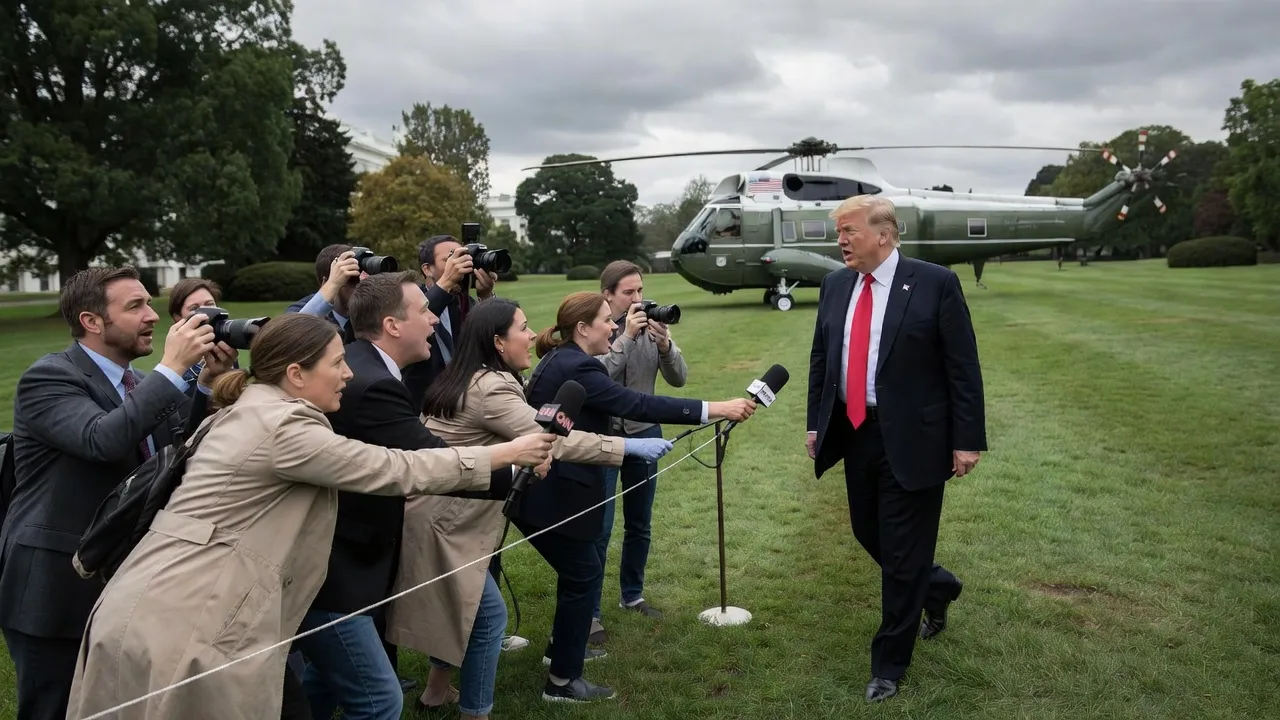
In front of the White House on Saturday, September 26, Trump stated "Rechazo su propuesta" regarding the Iranian plan on Hormuz
- 02
The Iranian plan called for seven days of cessation of hostilities in exchange for the lifting of the naval blockade, the end of oil sanctions, and the unfreezing of at least $12 billion in assets
- 03
According to the Wall Street Journal cited by Perfil, Trump is skeptical about Iran's respect for the conditions and judges a resumption of bombings likely
ANALYSIS
Buenos Aires, September 27, 2026. The Argentine press reads the rejection, on Saturday, September 26, by Donald Trump of the Iranian proposal to reopen the Strait of Hormuz in light of a calendar that is more internal than international: that of the American mid-term elections in November. Perfil poses it from the start: the conflict in the Middle East "seems to be heading towards an escalation of the war confrontation, although conditioned by internal political issues in the United States and its mid-term elections".
In front of the White House, on Saturday, the American president was categorical: "I reject their proposal". He added that the Iranian leaders "want to reach an agreement to open the strait immediately because they are losing ground drastically". The plan, transmitted by the Iranian Foreign Minister Abbas Araghchi on the sidelines of the UN General Assembly in New York, provided for seven days of cessation of hostilities - including Lebanon, which implies that Washington convinces Israel to stop its offensive against Hezbollah - in exchange for the lifting of the naval blockade, the end of oil sanctions, and the unfreezing of at least $12 billion in Iranian assets.
Perfil details seven demands transmitted by diplomatic sources to Arab agencies, regretting that "Western international media often simplify the conflict by focusing only on economic issues". Among them: the withdrawal of American air and naval forces from Iranian waters, compensation for the economic damages of the conflict, and the end of "hostile rhetoric".
According to the Wall Street Journal, cited by Perfil, Trump would be skeptical about Tehran's respect for its own demands and would judge a resumption of bombings likely. On Friday, September 25, Minister Araghchi had nevertheless stated: "If the necessary conditions are met, the strait can be reopened... in seven days", while warning that "Iran does not admit coercion, threats or intimidation".
Ámbito recalls that negotiations have been at a standstill since July, when Trump ended the agreement protocol concluded the previous month, after Iranian attacks on tankers in Hormuz. Washington claims to maintain "total control" of the strait despite the blockade, with 29 ships having transited the previous night.