
DOMINANT ANGLE
Canberra sees the naval blockade as the real lever of the crisis, while the Red Sea is also heating up near Riyadh.
Dominant angle identified — does not reflect unanimity of this country’s media
KEY POINTS
- 01
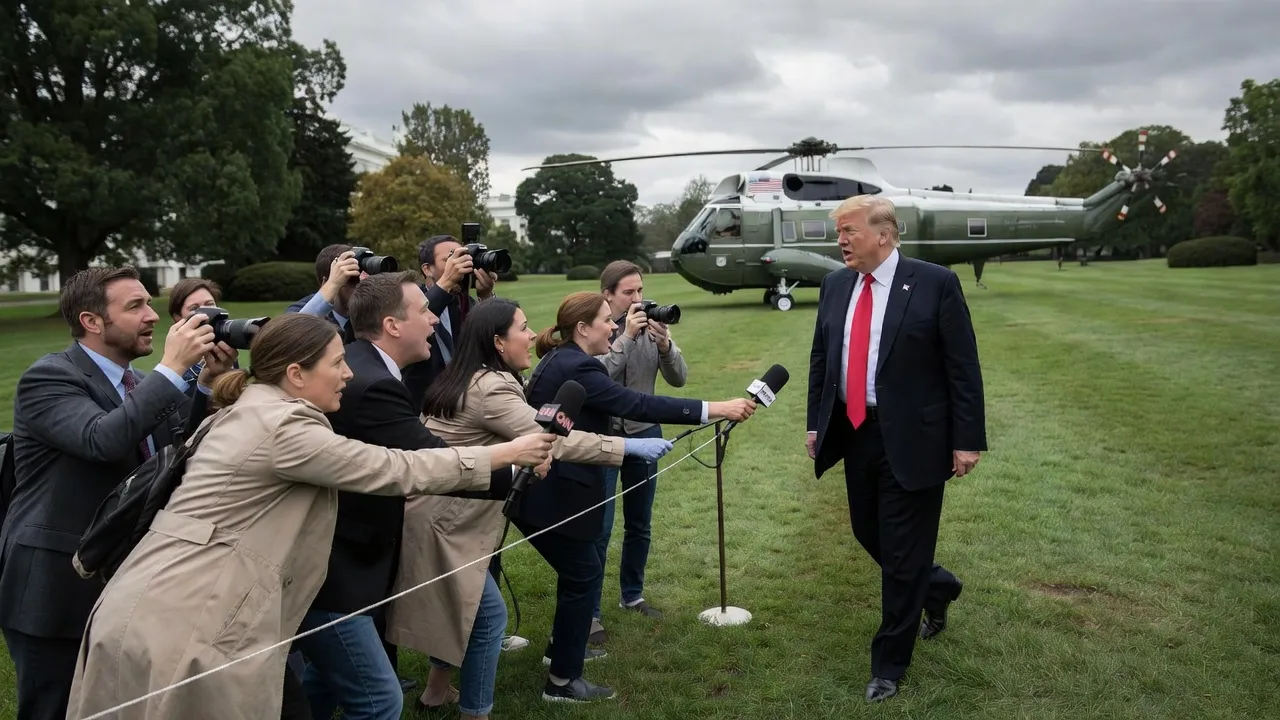
Trump, on Saturday, September 26, before heading to Tennessee: "I reject their proposal ... I rejected their agreement" (PerthNow).
- 02
The Iranian plan, transmitted via Qatar by Minister Abbas Araghchi, provided for seven days of cessation of hostilities, including Lebanon, in exchange for the lifting of the naval blockade, sanctions, and the unfreezing of at least $12 billion in assets (ABC News Australia).
- 03
The same weekend, Saudi defenses intercepted two drones and a Houthi ballistic missile targeting Riyadh and Khamis Mushait, the first alert of this type since March-April (The Age / Sydney Morning Herald).
ANALYSIS
Canberra, 27 September 2026. Australian newsrooms are focusing on one figure: seven days, the duration Iran proposed to reopen the Strait of Hormuz and suspend hostilities throughout the region, including Lebanon. Donald Trump made a decision on Saturday, leaving the White House for Tennessee: "I reject their proposal... I rejected their agreement," he said, adding that Tehran "wants to open the strait immediately because they are losing so heavily," due to a lack of revenue, as most of Iran's income passes through Hormuz.
According to PerthNow, the US naval blockade is targeting this financial nerve: in response to Iran's blockade of the strait, which has "significantly reduced" maritime traffic, Washington is maintaining economic pressure that Trump claims is a lever, while also asserting that it is keeping control of the strategic route.
ABC News Australia details the offer transmitted by Iranian Foreign Minister Abbas Araghchi via Qatar: resuming the agreement protocol signed in June, lifting sanctions, and unfreezing at least $12 billion in Iranian assets, in exchange for lifting the naval blockade. "The choice now belongs to the United States," Araghchi said, specifying that the agreement was possible "if the necessary conditions are met." Trump responded by posting a map of the strait renamed "Trump Strait" on Truth Social. A spokesman for the Revolutionary Guards, Hossein Mohebi, quoted by the Tasnim agency, warned that Tehran would not stop "punishing" Washington until the seven Iranian conditions were met.
The Age and the Sydney Morning Herald are placing the episode in a broader regional context: the same weekend, Saudi defenses intercepted two drones and a Houthi ballistic missile targeting Riyadh and Khamis Mushait, with alerts also triggered in Abha and Jazan — a first of its kind since March-April. US Treasury Secretary Scott Bessent praised the cooperation of the United Kingdom, Turkey, Oman, and the United Arab Emirates in the effort to exert economic pressure on Tehran, which he deemed fruitful.
Several Australian titles cite the Wall Street Journal, according to which Trump privately doubts that Tehran will uphold its commitments and is considering resuming strikes after the November midterm elections.