
DOMINANT ANGLE
Canberra sees the postponement of an Iranian agreement after the midterms as an electoral calculation made by Washington, at the very moment when Trump rejects the global pact on artificial intelligence that Australia has just cosigned.
Dominant angle identified — does not reflect unanimity of this country’s media
KEY POINTS
- 01
Trump framed his choice as a "big decision": reaching a deal with Iran or "wiping out" the Islamic Republic, according to ABC and SBS
- 02
Trump predicted a deal would be reached after the November midterms, saying Tehran "wants to see how I do in the midterm election", as quoted by PerthNow
- 03
The country is among leaders who co-signed a call for global safeguards on AI, which Trump rejected as a "globalist scheme", according to the Sydney Morning Herald and The Age
ANALYSIS
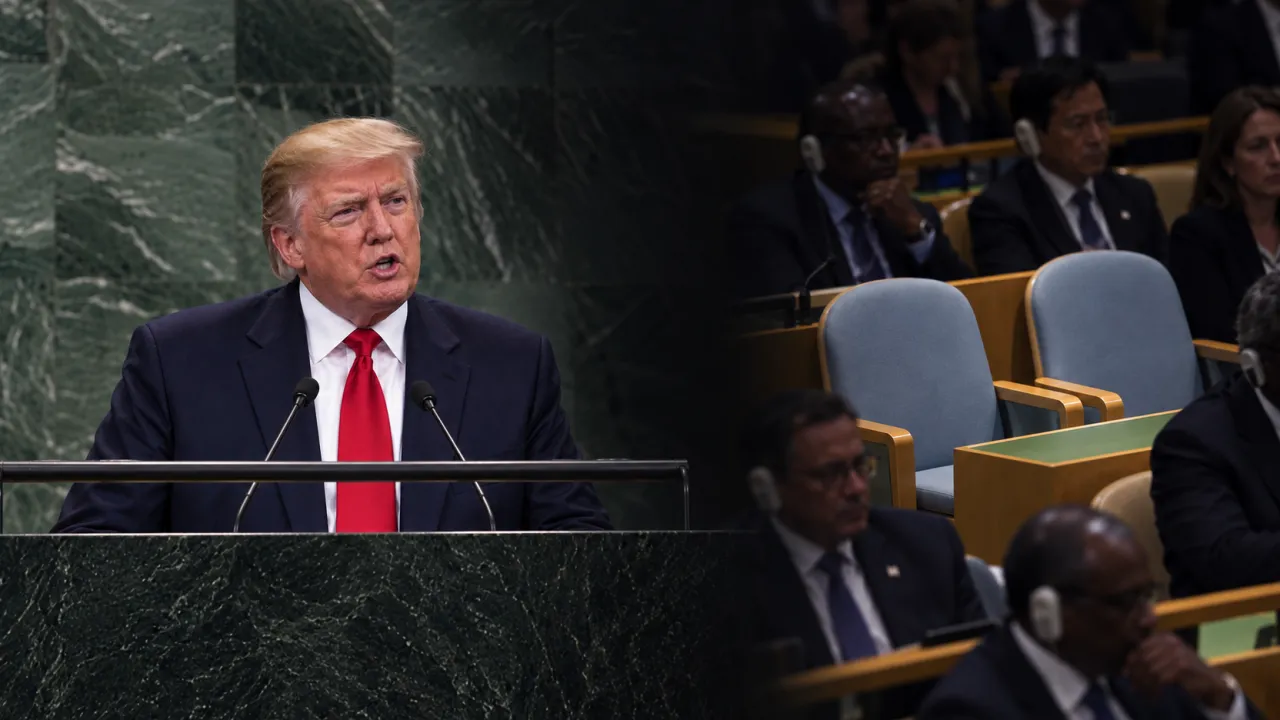
Canberra, Wednesday, 23 September 2026. Before the United Nations General Assembly, on Tuesday (New York time), Donald Trump summed up his stance on Iran with a blunt phrase: "I have a big decision to make. Will we make a deal with Iran, which would allow them to rebuild and create a country much greater than it has ever been? Or will I annihilate the Islamic Republic?" he said, according to reports from SBS and the ABC. Most of the Iranian delegation left the room during his speech.
The Australian press is focusing more on the calendar than the threat itself. The ABC notes that this speech, given "six weeks before the US midterm elections", was intended to respond to criticism that Trump's foreign policy "was harming the United States and making the world more unstable and dangerous". SBS points out that domestic discontent with this war, which began in February, has already eroded the popularity of several Republican lawmakers close to Trump ahead of the November election.
Trump himself sealed this electoral reading: he predicted that a deal would be signed after the midterms, "because it wouldn't make sense for them not to do it. They're waiting to see how I do in the midterm election", as quoted by PerthNow. On the same day, an Iranian official told Reuters that Tehran could soon reopen the Strait of Hormuz if Washington lifted its military pressure, a move that would lower oil prices, which have risen since the start of the war, according to SBS.
Another thread followed by the Australian press, separate from the Iran issue, which fuels the reading of a speech turned towards the American electorate: Trump rejected what he called a "globalist project" to regulate artificial intelligence - the same one that Australia had just co-signed with twenty-one other leaders, according to the Sydney Morning Herald and The Age. He announced his intention to rename AI "superintelligence" in US official documents, hoping the world would follow. Crikey, sarcastically, sums up this passage as the "usual bombastic rhetoric" of a tiring leader to listen to.
For Canberra, this sequence portrays a president who is speaking more to his November electorate than to the UN - even if it means offending a partner that has just aligned its position on AI with his own.