
DOMINANT ANGLE
Helsinki is gauging the gap between the threat to "annihilate" Iran made at the UN and a Finnish military calculation, the behind-the-scenes of which are being retraced by the local press: a strike prepared against the Houthis in Yemen, suspended at the last minute.
Dominant angle identified — does not reflect unanimity of this country’s media
KEY POINTS
- 01
According to the New York Times, as cited by Helsingin Sanomat, the bombs were already loaded and the targets approved to strike the Houthis in Yemen before Trump suspended the attack at the last moment.
- 02
The September 22 meeting in New York between Iranian Minister Abbas Araghchi, Steve Witkoff, and Jared Kushner lasted three hours, described by Trump as "very good" and "very productive" (MTV Uutiset).
- 03
The US-Israeli strikes against Iran had reduced deliveries via the Strait of Hormuz to a fraction of the previous level, prompting Saudi Arabia to redirect its exports to a Red Sea route now threatened by the Houthis.
ANALYSIS
Helsinki, September 23, 2026. The Finnish press is reading the New York sequence in light of an episode that remained secret until Sunday: according to the New York Times, cited by Helsingin Sanomat, the bombs were already loaded onto the planes last weekend and the target lists were approved to strike the Houthi rebels in Yemen. All that was missing was the presidential order. At the very last moment, Donald Trump chose to suspend the attack, despite the call from the Saudi crown prince, because the Houthis, allies of Tehran, had promised to no longer target American ships in the waters of the Middle East. A strike would have blown this arrangement to pieces and opened a new front for the American army.
For Helsingin Sanomat, the region remains "on a knife's edge": the war could spread from one day to the next, and the week of the UN General Assembly offers only a small diplomatic window to calm the situation. The newspaper details the deterioration of the Saudi position, the world's second-largest oil producer: the Houthis have quickly conquered cities and ports on the Red Sea, approaching the Bab-el-Mandeb Strait, the southern gateway to this sea. The American-Israeli strikes against Iran had already reduced deliveries via the Strait of Hormuz to a fraction, pushing Riyadh to reorient a large part of its exports via pipeline to the Red Sea - precisely the route now under threat. At the beginning of September, Iranian-backed rebels in Iraq damaged another pipeline, which could remain out of service for weeks.
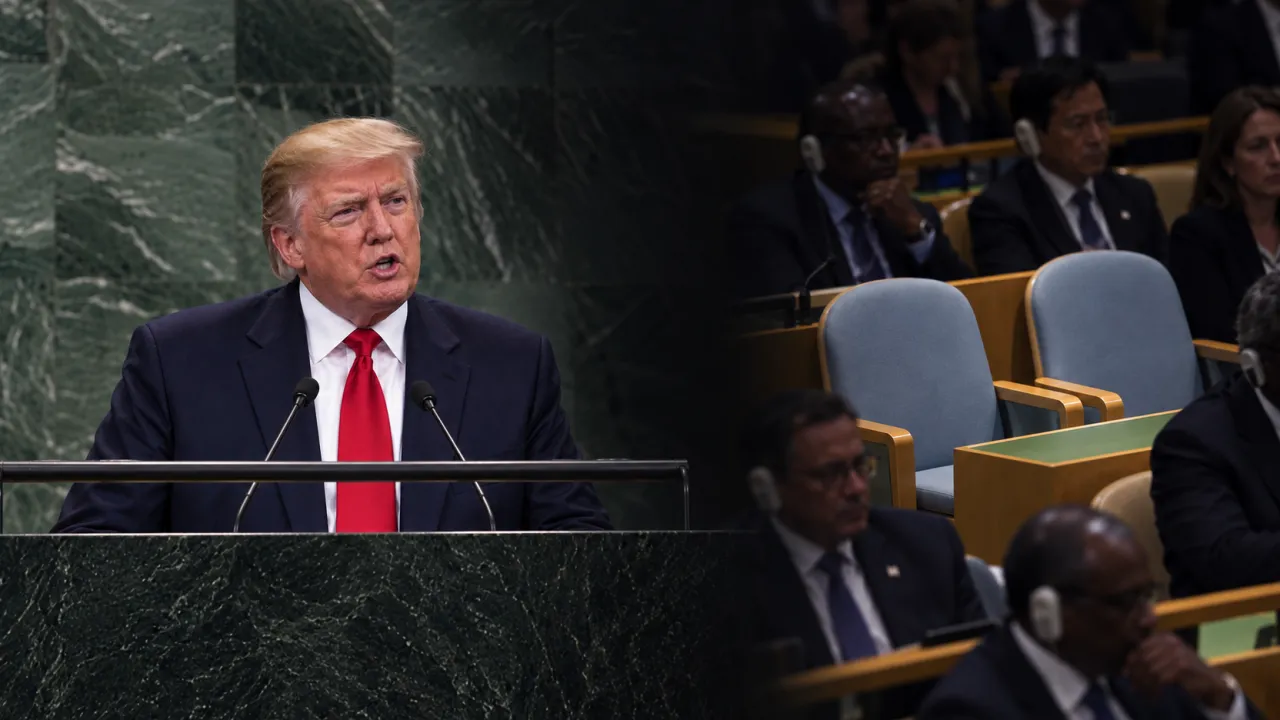
It is in this climate that MTV Uutiset reports on the three-hour meeting held on Tuesday in New York, on the sidelines of the General Assembly, between Iran and the United States. Trump informed journalists about it after threatening, earlier the same day, to send Iran "to hell" if there was no agreement. On the Iranian side, Foreign Minister Abbas Araghchi met with emissary Steve Witkoff and the president's son-in-law, Jared Kushner. Trump described the exchange as "very good" and "very productive", and announced a new session soon. MTV recalls that the war has been bogged down for months in a stalemate: thousands of deaths, a constantly rising barrel price, and neighboring countries drawn into the conflict.
For the Finnish press, the alternation between the threat of annihilation and the resumption of dialogue is part of a larger sequence, where Washington's military restraint has less to do with diplomacy than with a tactical calculation already tested in Yemen.