
DOMINANT ANGLE
Rome is particularly focused on the electoral dimension of Trump's speech, where the ultimatum issued to Iran serves as a backdrop for a promise of a deal postponed until after the midterms.
Dominant angle identified — does not reflect unanimity of this country’s media
KEY POINTS
- 01
Trump stated at the UN: "Devo decidere se annientare l'Iran o fare un accordo... Ma sono convinto che faranno l'accordo dopo le elezioni" (ANSA), explicitly linking the outcome of the Iranian issue to the midterm election calendar.
- 02
The Cuban delegation left the room after Trump called Cuba a "failed state that will fall" (ANSA).
- 03
Before his speech, Trump again attacked CNN, present at the UN but "blocked from access to the White House", stating it "should not be here" (ANSA).
ANALYSIS
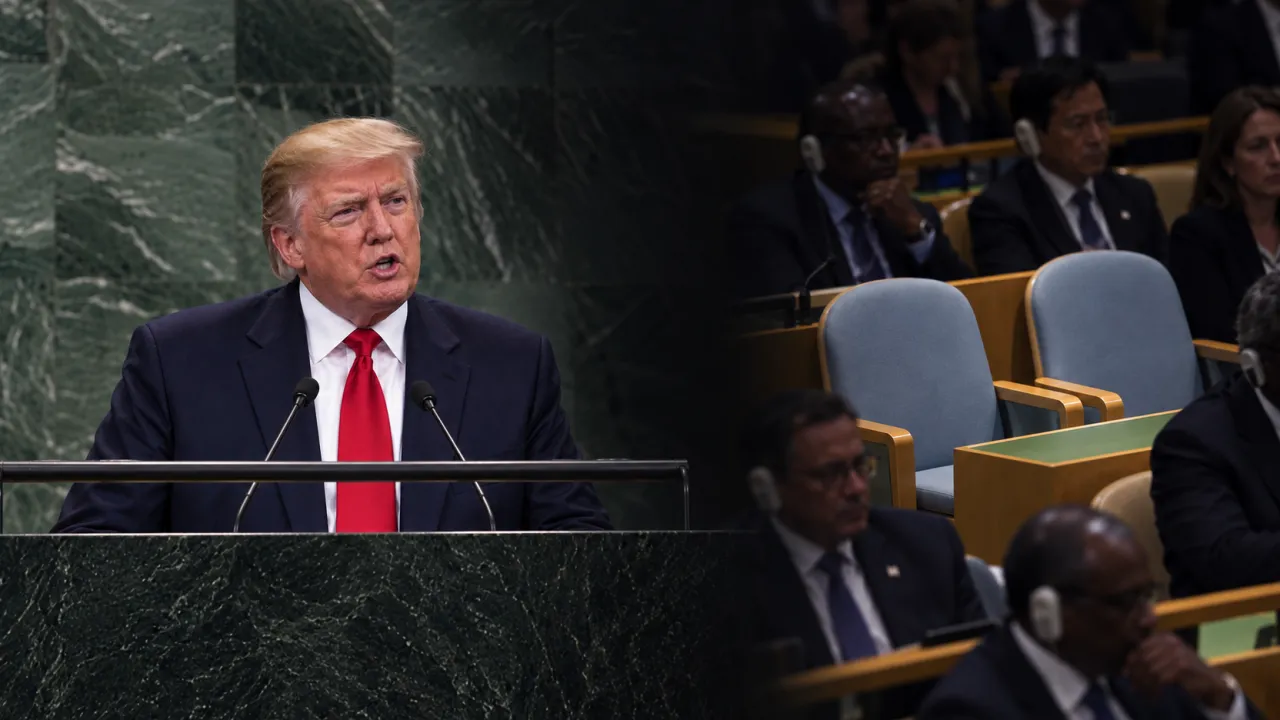
Rome, September 23, 2026. The Italian press has taken note of Donald Trump's speech before the United Nations General Assembly on Tuesday, September 22, 2026, focusing less on the threat made against Iran than on the electoral mechanism underlying it. According to ANSA, the American president devoted nearly 40 minutes of his speech to listing the records of his administration — economy, immigration — before addressing foreign policy, in a speech "with decided and aggressive tones" driven by the America First doctrine.
On Iran, Trump posed the alternative in his own terms: "I must decide whether to annihilate Iran or make a deal. And if I have to annihilate them, I will do it quickly. But I am convinced that they will make a deal after the elections" — a formula, reported verbatim by ANSA, which frames the outcome of the Iranian dossier in the calendar of American midterms rather than in that of the negotiations themselves.
The rest of the speech followed the same logic of settling internal scores: Trump asked Vladimir Putin to put an end to the war in Ukraine; he reserved the term "failed state" for Cuba, destined to "fall," prompting the immediate departure of the Havana delegation. Another Italian headline succinctly summarizes that, according to Trump, "Iran is no longer the boss of the Middle East" — a sign that Rome is primarily retaining the rhetoric of victory displayed rather than the content of ongoing negotiations. A video dispatch from the agency, broadcast on the same day, also announces "upcoming" agreements, both with Iran and between Russia and Ukraine, in stark contrast to the severity of the tone used at the podium.
Even before taking the stage, Trump had reopened another front, this time media-related: arriving at the Glass Palace after 9 am with the First Lady, he again targeted CNN, present at the UN but denied access to the White House — "it should not be here," he said before answering a question about his message to Putin. The Italian press thus links, without prioritizing, the Iranian ultimatum, the attack on Cuba, and the quarrel with an American channel: three episodes of the same exercise in domestic politics played out on the world stage, the diplomatic outcome of which remains pending after the midterm elections.