
DOMINANT ANGLE
Dhaka is measuring the economic impact of Trump's big U-turn at the UN: the promise to reopen the Strait of Hormuz carries more weight, for an oil-importing economy, than the threat to "annihilate" Iran.
Dominant angle identified — does not reflect unanimity of this country’s media
KEY POINTS
- 01
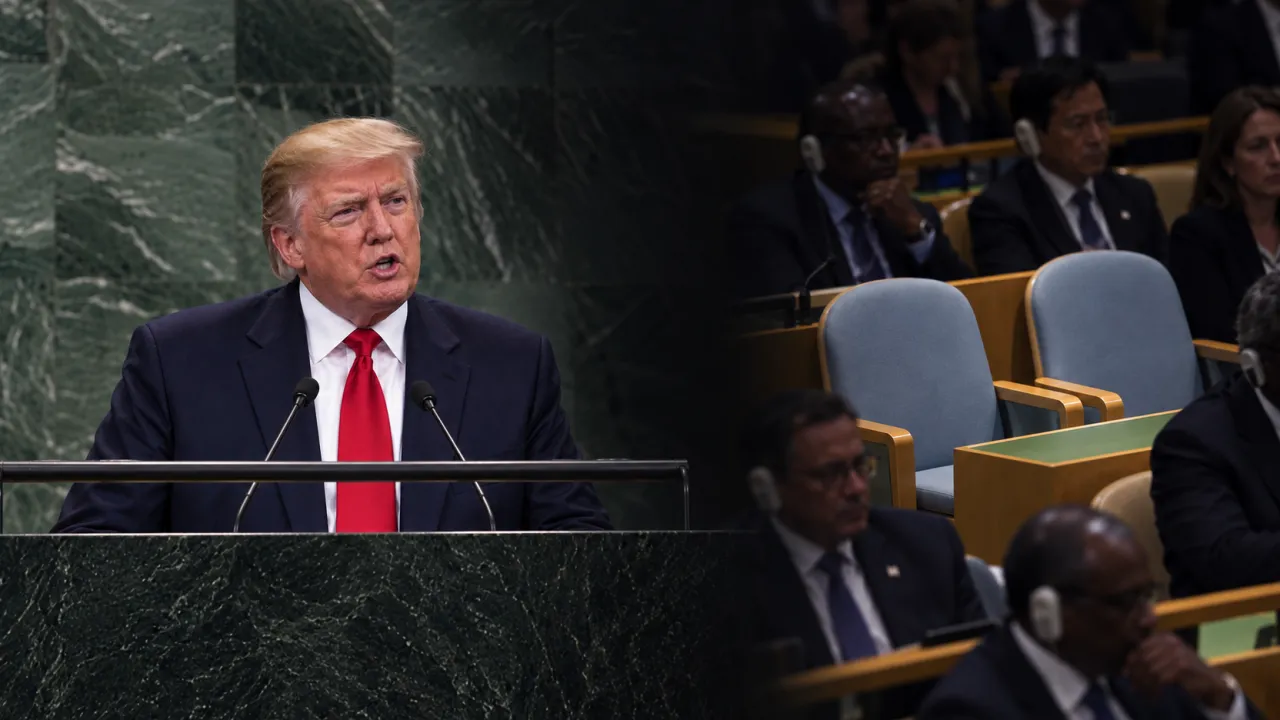
Before the UN, Trump said he had to decide whether to "annihilate" Iran, prompting nearly the entire Iranian delegation to leave within the first few minutes of the speech
- 02
Steve Witkoff, Jared Kushner, and Iranian Minister Abbas Araghchi held a three-hour meeting in New York that was deemed "very good" and "very productive", with another session already scheduled
- 03
A high-ranking Iranian official indicated that Tehran could reopen the Strait of Hormuz to Gulf ships within a seven-day period if Washington eased military pressure and the blockade of Iranian ports
ANALYSIS
Dhaka, Wednesday, September 23, 2026. For the Bangladeshi press, the UN summit played out in two opposing phases, and it's this gap that Dhaka is focusing on first. Before the General Assembly, Donald Trump presented his decision on Iran as a personal one: "I have a big decision to make: will an agreement be reached with Iran that will allow it to rebuild and create a much larger country? Or will I annihilate the Islamic Republic... and lead them to hell with no chance of survival?" According to TBS Top News and The Daily Star, nearly the entire Iranian delegation left the room within the first few minutes of the speech; the Cuban delegation did the same after Trump called Cuba a failed state and promised that freedom would come to the island.
A few minutes later, Trump announced the resumption of dialogue: American representatives Steve Witkoff and Jared Kushner, and Iranian Foreign Minister Abbas Araghchi, held a three-hour meeting in New York, described as "very good" and "very productive", with another session already scheduled. Trump linked any agreement to the US electoral calendar: "I think we'll make a deal just after the election, it doesn't make sense for them not to do it. They're waiting to see how I do in the midterms."
It's the economic dimension of this standoff that's grabbing attention in Dhaka, an energy-importing economy exposed to any closure of the Strait of Hormuz. The Daily Star recalls that the war waged by Washington against Tehran has "caused vast economic damage" via this strait. A senior Iranian official indicated that Tehran could reopen the strait to Gulf ships "within a seven-day period" if Washington lifted military pressure and the blockade imposed on Iranian ports, a proposal transmitted through mediators. Secretary of State Marco Rubio said the United States was "open to talking to the Iranians".
Another thread followed by Bangladeshi headlines: a CNN fact-check, relayed by TBS, highlights several "inaccurate or largely exaggerated" claims by Trump before the Assembly, including his statement that he had resolved eight wars when two of them never had that status. A Reuters/Ipsos poll cited by TBS puts his popularity rating at a historic low of 32%.
SOURCES (2)
- The Daily StarMEDIUM
- TBS Top NewsMEDIUM