DOMINANT ANGLE
Kathmandu is particularly concerned about the slump in oil prices following the announcement of talks, which is more damaging to its import-based economy than the verbal threats against Tehran.
Dominant angle identified — does not reflect unanimity of this country’s media
KEY POINTS
- 01
The Brent barrel has gone from around 70 to 100 dollars since the start of the war, according to Ratopati.
- 02
The Iranian Armed Forces have called Trump's threat "propaganda", promising "severe, crushing and unpredictable" strikes.
- 03
US envoy Steve Witkoff mentioned "long" talks with Iran on the sidelines of the General Assembly, hoping for "constructive and promising" discussions.
ANALYSIS
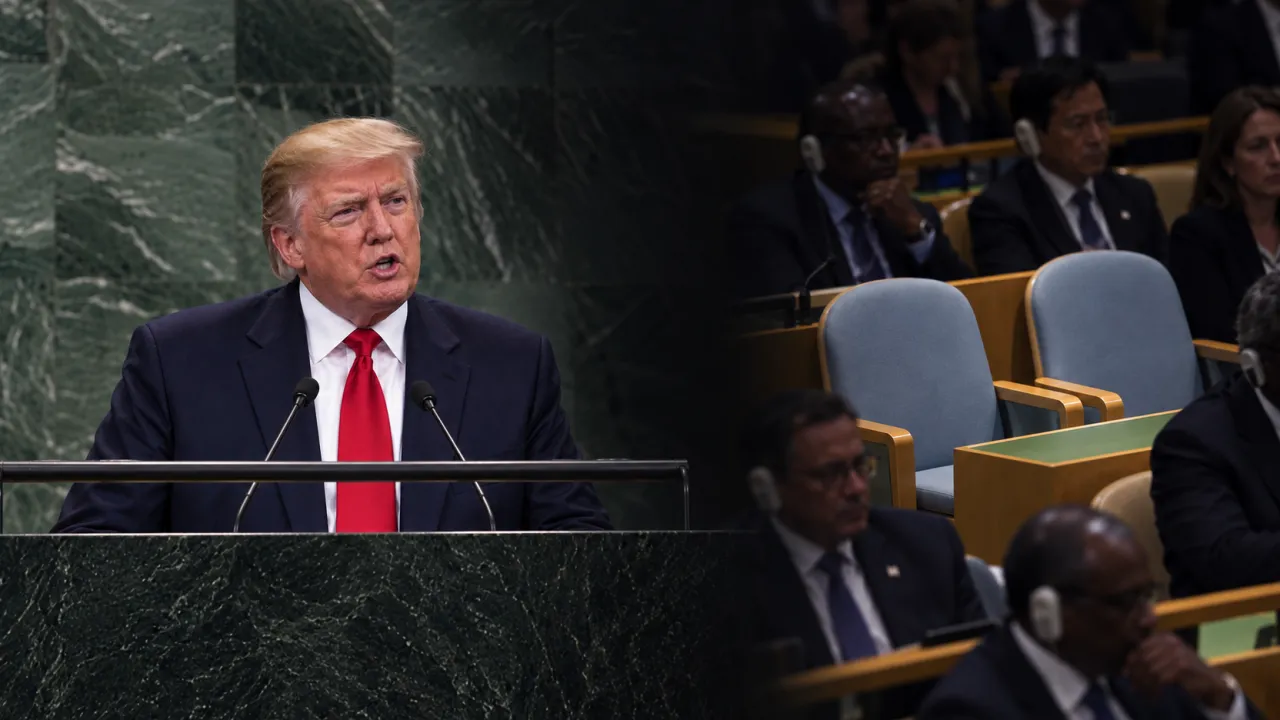
Katmandou, 23 September 2026. Nepal's capital is focused on the dual move by Donald Trump at the United Nations General Assembly on Tuesday — threatening to "annihilate" Iran before announcing the resumption of dialogue with Tehran — which is occupying the Nepalese press, but it's the oil mechanism of the crisis that's drawing the most attention in Katmandou, a country with no domestic hydrocarbon production and exposed to any variation in global prices.
The Kathmandu Post, quoting a Reuters dispatch, cites Trump's words before the Assembly: "I have a big decision to make." The newspaper recalls that the Iranian Armed Forces have described these remarks as "propaganda", promising in return "severe, crushing and unpredictable" strikes against their adversaries. Two articles by Ratopati on Trump's address detail in parallel the figures that count for Katmandou: the Brent barrel has risen from around 70 to 100 dollars since the start of the war, Saudi Arabia has closed a major oil pipeline after attacks attributed to groups supported by Iran, and commercial traffic in the Red Sea and the Bab al-Mandab Strait remains risky due to the activities of Yemen's Houthi rebels.
Ratopati also reports that US envoy Steve Witkoff stated on X that there were "long" exchanges between Washington and Tehran on the sidelines of the Assembly, led by mediators who shuttled between the two delegations all day, and that he hopes to see these discussions prove "constructive and promising". In Doha, Qatari Foreign Ministry spokesperson Majed Al-Ansari indicated that mediators are seeking to reduce a "deep deficit of trust" between Washington and Tehran to bring the two parties back to the negotiating table.
For Katmandou, this sequence has a direct impact on the wallet: Nepal imports all its petroleum products, largely via India, and any fluctuation in global prices is almost immediately reflected in domestic fuel and transport prices. The prospect of an agreement — mentioned by Trump for the period following the US midterm elections — is therefore seen less as a diplomatic gesture than as a potential signal for energy markets, in a context where prices had already fallen after the announcement of the resumption of discussions.