
DOMINANT ANGLE
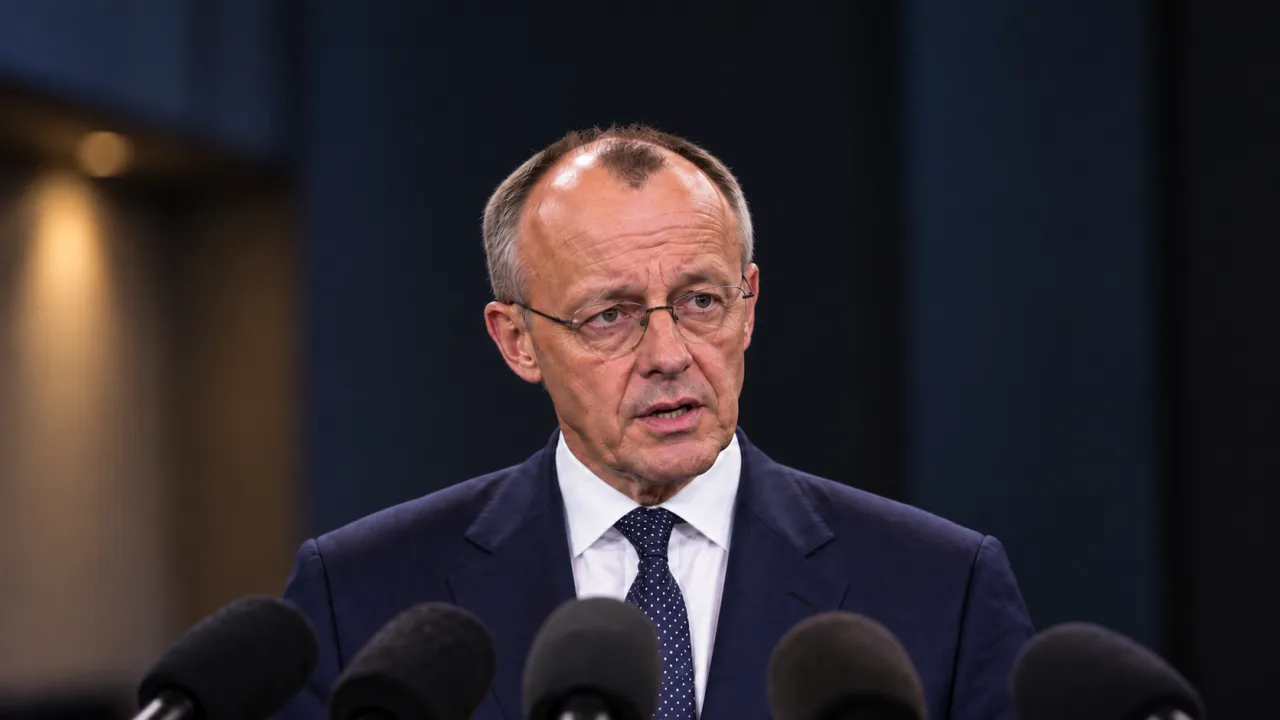
Brasília is first focusing on the political fate of Friedrich Merz, excluded for the first time from a Land, more than the sole breakthrough of the AfD
Dominant angle identified — does not reflect unanimity of this country’s media
KEY POINTS
- 01
In Mecklenburg-Western Pomerania, the AfD wins around 38% of the vote according to projections, ahead of Manuela Schwesig's SPD, credited with 35.5%
- 02
Friedrich Merz's CDU remains below the 5% threshold in this state and loses all regional parliamentary representation, a first in the party's 81-year existence
- 03
In Berlin, Die Linke comes in first with around 25% of the vote, ahead of the CDU (20%) and the AfD (15%)
ANALYSIS
Brasília, September 21, 2026. The Brazilian press followed Sunday's regional German election primarily from the angle of Friedrich Merz's hold on power, rather than as a simple health check for the far right. According to articles picked up in Brasília, "Friedrich Merz's name will not be on any ballot this Sunday (20) in Germany, but it is an answer about his future as chancellor that will emerge from two state elections," Folha de S.Paulo summarized before the vote, setting the framework from the start: this election is being read in Brasília as a referendum on the chancellor.
The numbers confirm this reading. In Mecklenburg-Western Pomerania, the AfD obtained around 38% of the vote according to projections reported by G1, ahead of the SPD of outgoing Minister-President Manuela Schwesig, credited with 35.5%. But the fact considered most significant is not the AfD's victory — already achieved two weeks earlier in Saxony-Anhalt, where the party had nearly reached 44% — it's the failure of Merz's CDU, which remains below the 5% threshold and loses all representation in this regional parliament, a first in 81 years of the party's existence.
In Berlin, the Brazilian press notes that Die Linke came in first with around 25% of the vote, ahead of the CDU (20%); the AfD also made gains there, to 15%. G1 notes that Merz canceled his participation in the UN General Assembly to urgently convene the executive committee of his party, a gesture considered revealing of the internal crisis.
The chancellor is quoted as calling the result a "disaster," while insisting he will remain in office: "what needs to be done now requires firmness, perseverance, and patience," he said, according to Folha, presenting his reform program as "an antidote to authoritarian poison." For Brasília, this double defeat — against the far right in Mecklenburg, against the radical left in Berlin — fuels speculation about an early exit for the chancellor, more than the magnitude of the populist vote itself.
The coverage also recalls that Merz's economic reforms remain blocked by tensions with the social-democratic partner and by internal divisions within the CDU, in a context of a stagnant economy attributed to a lack of innovation, Chinese competition, and the surge in energy prices linked to the wars in Ukraine and the Middle East.
SOURCES (4)
- G1 Globo MundoMEDIUM
- Jornal de BrasíliaMEDIUM
- Folha MundoMEDIUM