
DOMINANT ANGLE
The Hague sees the CDU's electoral debacle as the price of Friedrich Merz's pension reforms, while a left-wing coalition is taking shape in Berlin as in Schwerin.
Dominant angle identified — does not reflect unanimity of this country’s media
KEY POINTS
- 01
In Mecklenburg-Western Pomerania, the AfD becomes the leading party with around 37% according to ARD's initial estimates, ahead of the SPD (35.5%), while the CDU falls below the 5% threshold for the first time in its history in a state.
- 02
In Berlin, Die Linke wins 24.5% of the vote, carried in part by former non-voters, ahead of a CDU that has lost 8.2 points to around 20%; the AfD reaches around 16%, its best score ever recorded in the capital.
- 03
Friedrich Merz described the result as a "catastrophe" on Sunday evening, while ruling out his resignation, after a third consecutive regional election loss following the debacle in Saxony-Anhalt.
ANALYSIS
The Hague, Monday, September 21, 2026. For the Dutch press, Sunday's double regional election in Germany confirms a shift already underway at the beginning of September in Saxony-Anhalt. In Mecklenburg-Vorpommern, the Alternative für Deutschland (AfD) is ahead of the SPD and becomes, according to the first estimates from ARD relayed by the NRC, the leading party in the state with around 37% of the vote, compared to 35.5% for the social democrats. Chancellor Friedrich Merz's CDU falls below the 5% threshold, a level the party had never missed in a regional election since its post-war founding — a precedent that the NRC describes as unprecedented in the party's history.
In Berlin, where the campaign focused mainly on the housing crisis, Die Linke achieves a breakthrough of 24.5%, largely carried by former abstentionists, and overtakes a CDU that is down 8.2 points to around 20%. The AfD also makes progress, up to around 16%, its best score ever recorded in the capital. De Telegraaf sums up the evening in one word: a "new political slap" for Germany, with the CDU failing to clear the electoral threshold in Schwerin while Die Linke dethrones the CDU in the federal capital.
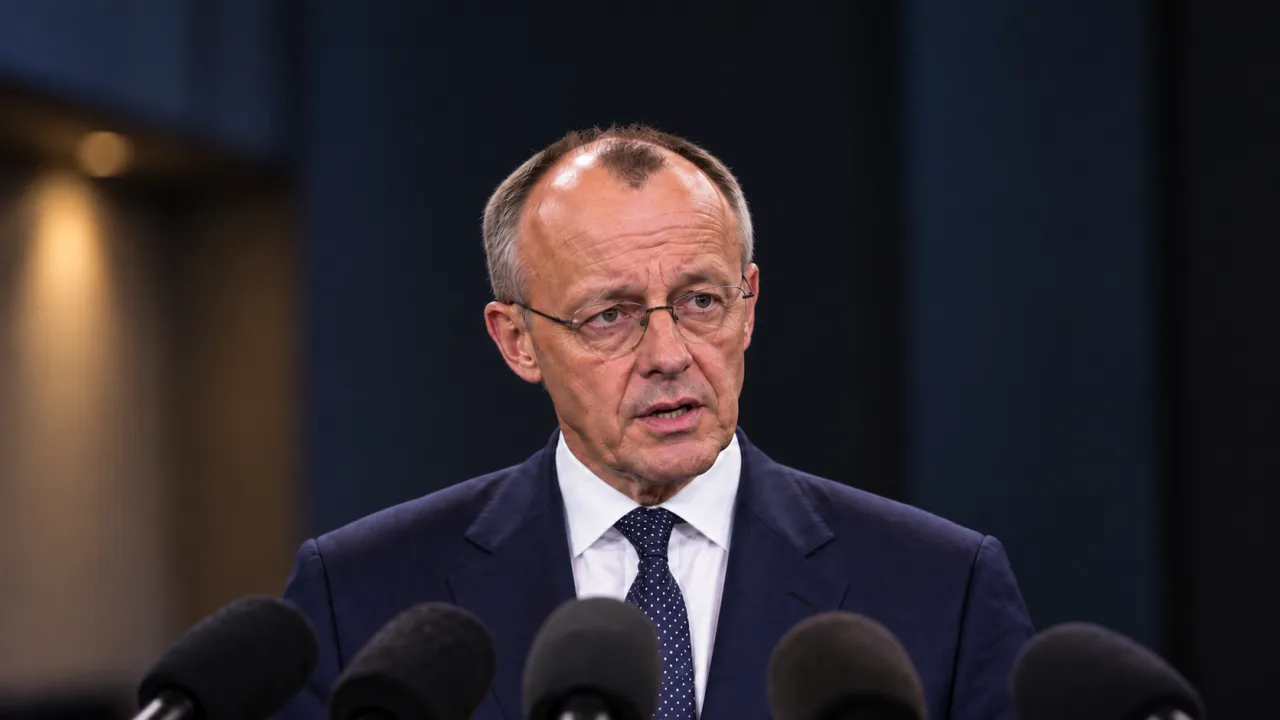
The NRC devotes an analysis to Friedrich Merz's position, weakened by three lost regional elections in a month, after the debacle in Saxony-Anhalt at the beginning of September where the CDU had already been halved. The chancellor himself described the result as a "catastrophe" on Sunday evening, while ruling out any idea of resignation and announcing that he was maintaining his reform course. The newspaper notes that the unpopular pension reform promoted by Merz was a central theme of the campaign in Mecklenburg-Vorpommern, where the SPD and AfD campaigned against it from Berlin. Merz responded that the answer to the rise of parties he considers authoritarian was to prepare the country for the future rather than give in to his reforms.
For the Dutch press, the immediate challenge now shifts to the formation of regional executives: a left-wing coalition associating Die Linke, the Greens, and the SPD appears possible in Berlin, while the government configuration in Schwerin remains uncertain without the CDU, which is absent from the future regional parliament.
SOURCES (2)
- De TelegraafMEDIUM
- NRCMEDIUM