
DOMINANT ANGLE
Singapore is gauging the shockwave that this German vote sends to European unity, at a time when transatlantic tensions are intensifying and the city-state remains dependent on a stable multilateral trade order.
Dominant angle identified — does not reflect unanimity of this country’s media
KEY POINTS
- 01
In Mecklenburg-Western Pomerania, the AfD wins 38.3% of the vote, ahead of the SPD's 35.4%, its second regional victory in a month after Saxony-Anhalt
- 02
The CDU falls to 4.9%, below the 5% threshold, and is excluded from a Landtag for the first time in its history, its worst result since 1949
- 03
In Berlin, Die Linke comes in first with 25.3%, ahead of the CDU at 19% and the AfD, which is gaining ground at 16.3%
ANALYSIS
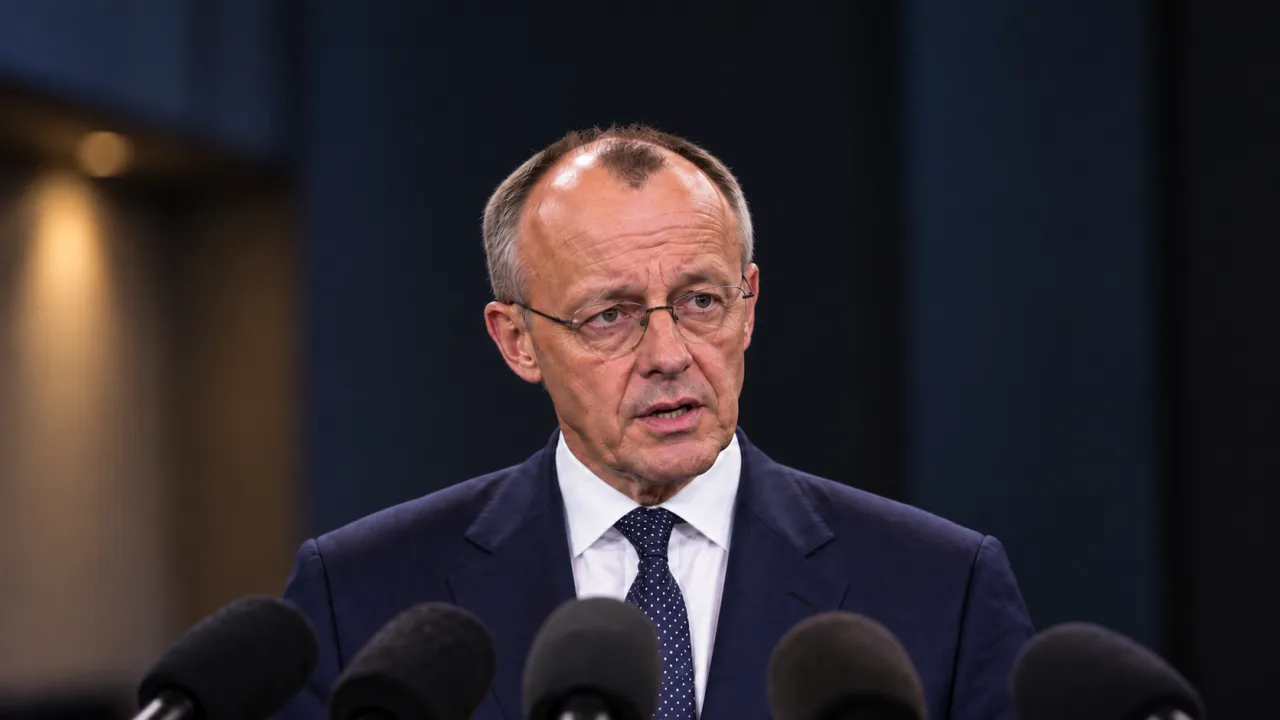
Singapour, 21 September 2026. The German polls on Sunday are making headlines in Singapore's media from a particular angle: the shockwave the vote sends to Brussels and to the entire transatlantic order, already fragile. In Mecklenburg-Western Pomerania, the Alternative for Germany (AfD) garnered 38.3% of the votes, outpacing the social democrats (SPD) at 35.4%, according to the projections of public broadcaster ARD, as reported by the Straits Times. This is the second regional victory for the far-right party in a month, after Saxony-Anhalt earlier in September. Even more significant for Singapore, which closely follows the stability of its main European trade partner: Chancellor Friedrich Merz's Christian Democratic Union (CDU) fell to 4.9%, below the 5% threshold, and finds itself excluded from the regional parliament for the first time in its history — its worst score since 1949. In Berlin, the radical left party Die Linke came in first with 25.3%, the CDU dropped to 19%, and the AfD made gains at 16.3% in a capital nonetheless known for being liberal. Merz described the result as a "disaster" but ruled out resigning, stating he wants to pursue his reforms. He warned that "trust in our country's institutions is eroding," undermined in his view "by radical parties, on the left as well as the right." The Straits Times notes that Merz's weakening, at the helm of the EU's "largest and most powerful" member, could undermine the bloc's unity at a time when relations with Washington have clearly cooled and economic pressures are intensifying. Channel News Asia, on the other hand, points out that Merz spoke on television just minutes after the first estimates, a move that political scientist Oliver Lembcke, from the University of the Ruhr in Bochum, interprets as an attempt to "define the narrative" before an expected wave of criticism. For the city-state, dependent on open global trade and stable multilateral alliances, the question is not so much about who will govern Schwerin, but whether a durably weakened chancellor can still carry Europe's voice in the face of Washington, Moscow, and global trade negotiations.