
DOMINANT ANGLE
Ankara first takes note of the dual signal sent to the Turkish diaspora in Germany: the rise of the AfD is unsettling for minorities, while Turkish-origin lawyer Elif Eralp is in a position to become the governing mayor of Berlin.
Dominant angle identified — does not reflect unanimity of this country’s media
KEY POINTS
- 01
In Mecklenburg-Western Pomerania, the AfD is credited with around 38% of the vote by ZDF, the CDU falling to around 5%, below the threshold for entry into the regional parliament, its worst regional result since 1949.
- 02
In Berlin, Die Linke is ahead of the CDU with around 26% versus 20% according to ARD/ZDF exit polls, carried by its lead candidate Elif Eralp, a lawyer of Turkish origin, poised to become the first governor-mayor from an immigrant background.
- 03
Bianet notes that the rise of the AfD, confirmed in a third state in two weeks after Saxony-Anhalt (43.8% on September 6), worries Turks and other minorities in Germany.
ANALYSIS
Ankara, September 21, 2026. Two regional German elections, held on Sunday, September 20, 2026, are occupying the Turkish press less for their consequences on Friedrich Merz than for what they say about the place of minorities and the Turkish diaspora in Germany.
In Mecklenburg-Western Pomerania, the Alternative for Germany (AfD) is credited with around 38% of the votes according to estimates from the public channel ZDF, while Chancellor Merz's CDU is capped at around 5%, below the threshold required to enter the regional parliament. This is the worst result for the CDU in a regional election since 1949, a historic first for the party. Leif Erik Holm, the AfD's lead candidate in this state, acknowledged that his party would likely not participate in the regional government, as other parties are refusing any alliance with him.
In Berlin, it is Die Linke that is ahead of the CDU, with around 26% of the votes against 20%, according to exit polls from ARD and ZDF cited by the BBC in Turkish. Its lead candidate, Turkish-origin lawyer Elif Eralp, is in a position to become the first immigrant mayor-governor of Berlin. After the announcement, she stated: "In our city, love and justice have prevailed over hate."
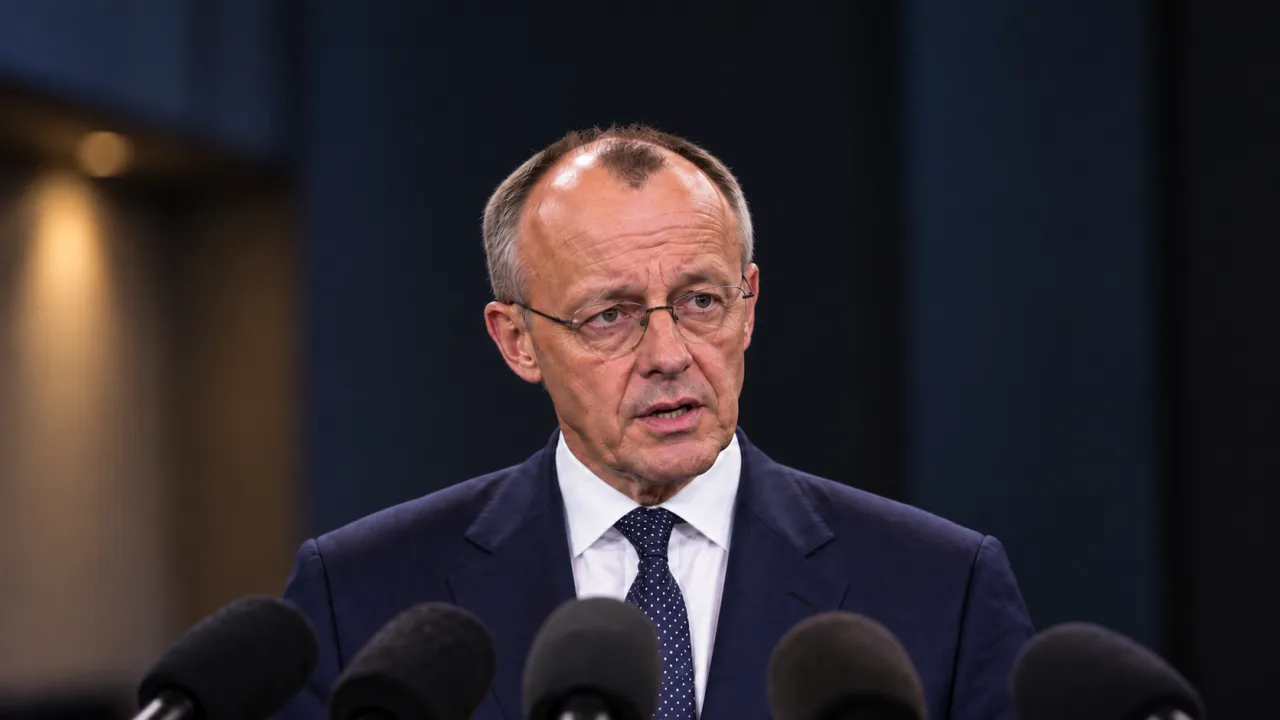
The Bianet website notes that the AfD's breakthrough, confirmed in a third state in two weeks after Saxony-Anhalt (43.8% on September 6), is worrying Turks and other minorities in Germany. Chancellor Friedrich Merz described the result as a "felaket" (catastrophe) while announcing his intention to stay in power: "Reforms are essential. I am taking on this responsibility because I want to move our country forward," he told journalists on Sunday.
The Turkish press is also highlighting the increased participation in both states compared to previous elections, and the magnitude of the rejection vote that is striking a CDU that was once a pillar of the German center-right. For Ankara, the dual movement, towards the AfD in the east and towards Die Linke in Berlin, illustrates a polarization that directly affects the millions of people of Turkish origin living in Germany, who are the first to be concerned by the migration debate placed by the AfD at the center of its campaign.