
DOMINANT ANGLE
Oslo is particularly mindful of the historic collapse of the CDU and the retention of Friedrich Merz, more so than the AfD's breakthrough already seen in Saxony-Anhalt two weeks prior, as coalition arithmetic takes shape in Schwerin and Berlin.
Dominant angle identified — does not reflect unanimity of this country’s media
KEY POINTS
- 01
The CDU falls to 4.9% in Mecklenburg-Pomerania, compared to 13.3% in 2021 — its first exclusion from a Landtag and its worst score since the 9% in Bremen in 1951.
- 02
The AfD wins 32 of the 71 seats with a score more than doubled compared to 2021 (16.7%), but the other parties rule out any coalition with it, according to Aftenposten.
- 03
In Berlin, Die Linke comes in first with 25.7% of the vote, a record, and its lead candidate Elif Eralp could become the party's first mayor, according to VG.
ANALYSIS
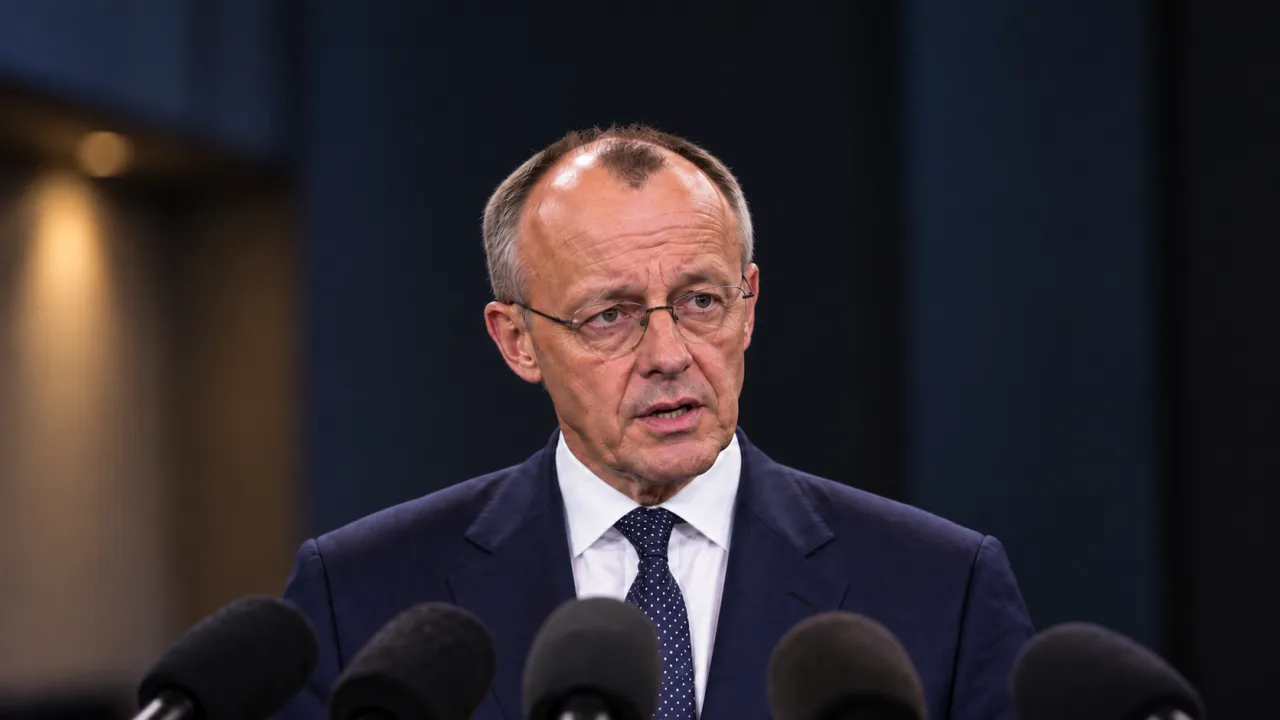
Oslo, September 21, 2026. The Norwegian press first notes the political survival of Friedrich Merz. According to VG, the chancellor described the result as a "catastrophe" for his party without announcing his resignation, promising to show "backbone, firmness, and patience" at the head of the CDU and the country. In Mecklenburg-Western Pomerania, the CDU fell to 4.9% of the vote, compared to 13.3% in 2021: it failed for the first time in its history to cross the 5% threshold in a regional, European, or federal election, erasing its previous worst score, 9% in Bremen in 1951. The party remains outside the regional parliament.
The AfD, on the other hand, more than doubled its score compared to 2021 (16.7%) and obtained 32 of the 71 seats, according to the count reported by VG. The SPD came in second with 35.5% and 29 seats; Die Linke and the Greens each won five seats. The alliance of Sahra Wagenknecht (BSW) also failed to clear the 5% threshold, with 4.8%.
Aftenposten emphasizes that the other parties exclude any cooperation with the AfD, which should therefore remain outside the regional government despite its victory in votes. The SPD could continue to lead the Land by integrating the Greens into its current coalition with Die Linke. The result remains provisional: the electoral commission must validate it on September 30.
In Berlin, where the CDU is also declining, Die Linke came in first with a record score of 25.7%, ahead of the CDU (18.8%) and the AfD (16.3%). The Greens collected 14.3% and the SPD only 12.1%, its worst regional result in the capital. The outgoing CDU-SPD coalition lost its majority, paving the way for a Die Linke-Verts-SPD alliance; the head of the Die Linke list, lawyer Elif Eralp, could become the first mayor from this party.
For the Oslo press, the event to remember is not so much the surge of the AfD, already documented two weeks earlier in Saxony-Anhalt, as the unprecedented collapse of the CDU and Merz's retention of his post despite his own description of the result as catastrophic. The coalition arithmetic in Schwerin and Berlin outlines, according to Aftenposten and VG, a landscape where the far right gains votes without gaining executive power, due to a lack of partners.