
DOMINANT ANGLE
Moscow sees the historic breakthrough of the AfD in Mecklenburg-Pomerania as a sign of a possible lifting of the "cordon sanitaire", highlighting the party's calls for the resumption of Russian gas deliveries and the cessation of military aid to Kiev, while noting that Berlin is simultaneously strengthening its anti-Russian stance within NATO.
Dominant angle identified — does not reflect unanimity of this country’s media
KEY POINTS
- 01
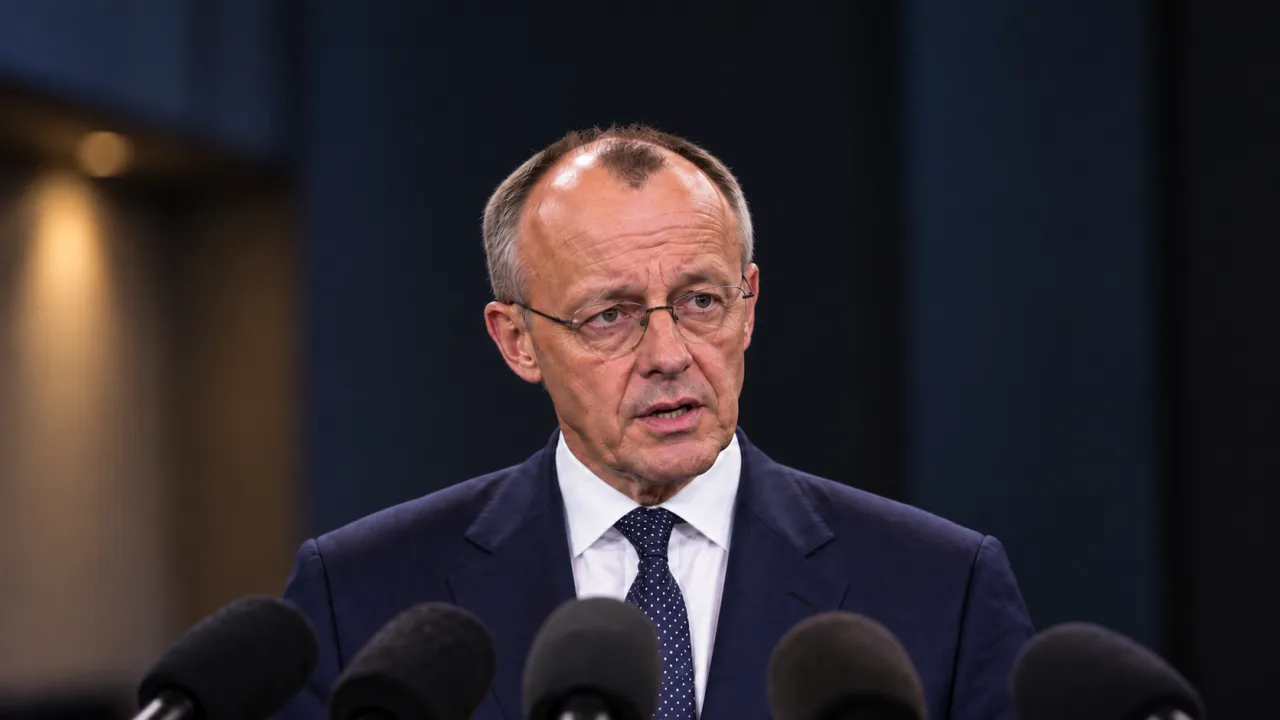
In Mecklenburg-Western Pomerania, the AfD wins 38.2% of the vote, compared to 4.9% for Friedrich Merz's CDU, which fails for the first time in its history to enter a state parliament (TASS).
- 02
In Berlin, Die Linke comes in first with 25.3% of the vote, ahead of the CDU (around 20%) and the AfD (around 16%), according to results relayed by RT and Meduza.
- 03
The same weekend, German General Carsten Breuer was elected to head the NATO military committee, in a context of German rearmament explicitly justified by the need to deter Russia (RT).
ANALYSIS
Moscow, September 21, 2026. The final results confirm a "historic turning point": in Mecklenburg-Western Pomerania, the Alternative for Germany (AfD) wins 38.2% of the vote, ahead of the social democrats (35.5%), while the Christian Democratic Union (CDU) of Chancellor Friedrich Merz collapses to 4.9%, below the 5% threshold. This, TASS emphasizes, is the first time in the country's history that the conservative party has been excluded from a regional parliament. In Berlin, the radical Left (Die Linke) comes in first with 25.3%, ahead of the CDU, which is credited with around 20%, and the AfD, which is gaining ground with 16%.
TASS stresses the significance of the election for the far-right line: the AfD, the agency recalls, "calls for restoring ties with Russia, lifting sanctions against it, and resuming Russian gas deliveries," while also demanding an end to arms supplies to Kiev. Co-chair Alice Weidel has urged Friedrich Merz to "draw the consequences" and abandon the "cordon sanitaire" that excludes any cooperation with her party, accusing him of having precipitated the CDU's defeat and handed victory to Die Linke in Berlin.
The Chancellor, quoted by RT, has described the Mecklenburg result as a "disaster" while announcing that he will remain in his post. A Forsa poll relayed by TASS now gives him only 10% favorable opinions.
The Russian press is also highlighting another German issue from the same weekend: the election of German General Carsten Breuer as chairman of NATO's military committee, presented by RT as recognition of the "many measures taken by Germany to strengthen the Alliance," according to Defense Minister Boris Pistorius. Berlin, with Europe's largest military budget of around 125 billion euros, is continuing its rearmament, which began with the "Zeitenwende" in 2022, justified by the need to deter Russia. Meduza notes that the AfD's breakthrough comes two weeks after its victory in Saxony-Anhalt and that the CDU has lost 7.8 points compared to the previous regional election.
For Russian coverage, the contrast is clear: a weakened Chancellor, a historically excluded CDU from a state, and a political force in a position to govern that openly advocates for lifting sanctions and stopping military aid to Ukraine, while the radical left is establishing itself in Berlin.