
DOMINANT ANGLE
Rome is weighing the German electoral earthquake in light of the alert launched by Romano Prodi on a finished European Union if the AfD prevails, while also finding an echo of the party among Vannacci's militants.
Dominant angle identified — does not reflect unanimity of this country’s media
KEY POINTS
- 01
Friedrich Merz's CDU gets 4.9% in Mecklenburg-Vorpommern, below the 5% threshold, exiting a regional parliament for the first time in its history, its worst score since 9% in Bremen in 1951
- 02
The AfD comes in first with around 38.2% of the vote, ahead of the SPD (35.5%); in Berlin, Die Linke led by Elif Eralp comes in first with around 25%, ahead of the CDU (20%) and the AfD, third (13-15%)
- 03
Romano Prodi tells Sole 24 Ore: "If the AfD wins the German elections, Europe is finished", calling the party "anti-European", "nationalist" and "racist"
ANALYSIS
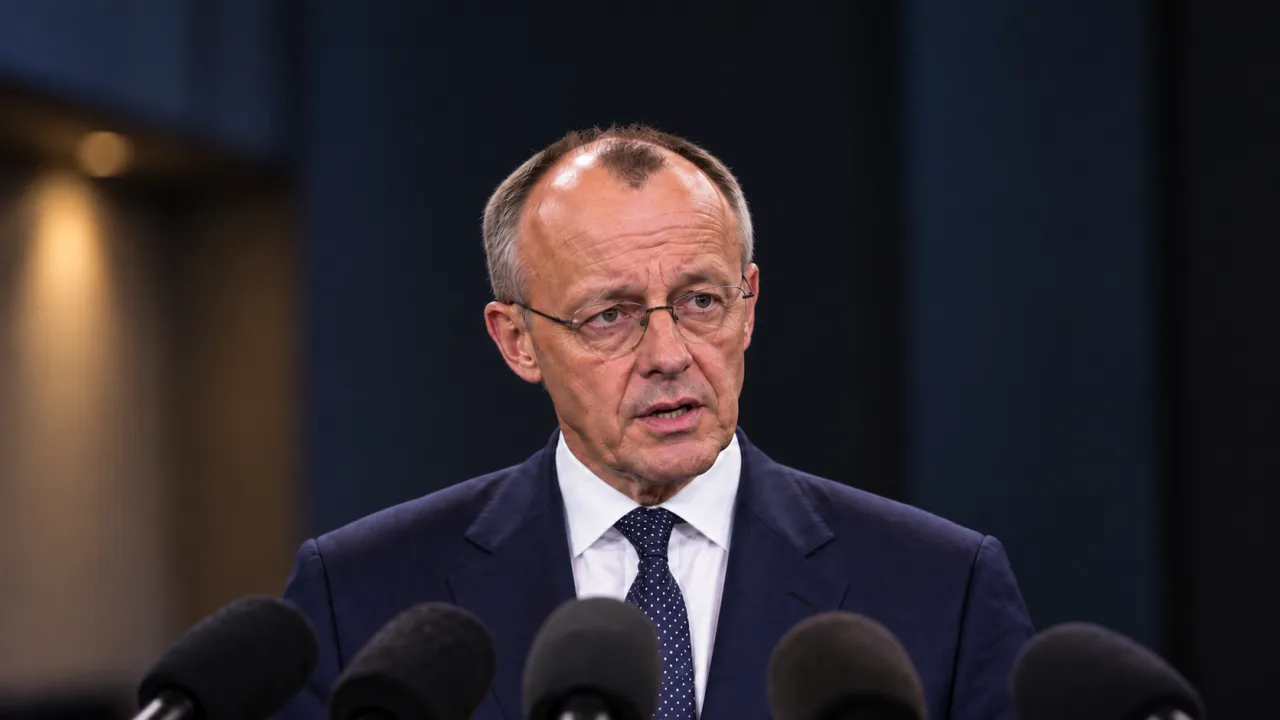
Rome, September 21, 2026. The Italian press is treating the German double election of September 20 as less of a domestic issue for Berlin than as a warning to the entire European Union. The Alternative for Germany (AfD) is winning in Mecklenburg-Western Pomerania with around 38.2% of the vote, ahead of the SPD (35.5%), while Chancellor Friedrich Merz's CDU is collapsing at 4.9%, below the 5% threshold: it is leaving the regional parliament, a first in the party's 81-year history, its worst score since 9% in Bremen in 1951. The Greens (5.7%) are entering, but neither the regional Die Linke (6.9%) nor the Sahra Wagenknecht Alliance (4.8%) are changing the situation in a landscape dominated by the AfD and the SPD. In Berlin, Die Linke, led by lawyer Elif Eralp, is coming in first with around 25% of the vote, ahead of the CDU (20%) and the AfD, which is the third force with 13 to 15%. Friedrich Merz has acknowledged at the Adenauer Haus that he cannot sugarcoat the result in Mecklenburg, which he calls a disaster, but has ruled out any resignation: "I assume this responsibility, I want to move the country forward," he said, promising to continue his reforms. Alice Weidel immediately called on the chancellor to draw conclusions, while her co-president Tino Chrupalla retorted that it was not the AfD that was demanding a cordon sanitaire.
It is especially the European shockwave that the Italian press is highlighting. In an interview with Sole 24 Ore published on the day of the vote, former Council President Romano Prodi judges that if the AfD wins the German elections, Europe is finished, describing the party as anti-European, nationalist, and linked to a Germany that, since the war in Ukraine, is also on its way to becoming the continent's leading military power. La Repubblica emphasizes, through the voice of its correspondent in Berlin, that the CDU's fall is reviving speculation about Merz's future, between the hypothesis of a minority government and the names of potential successors already being mentioned.
The election is also having a domestic impact: in Orvieto, during a convention close to General Roberto Vannacci, activists are hailing the AfD as a brother party that will restore order in Germany. In Berlin itself, AfD candidate Kristin Brinker notes that many Italians have voted for her party, seeking more security, more order, and a recovered economy.
SOURCES (4)
- AdnkronosMEDIUM
- Libero QuotidianoMEDIUM