
DOMINANT ANGLE
Lisbon is taking note of a double German earthquake: the AfD is leading in the East with around 38% of the vote, the CDU has fallen below the 5% mark, and Friedrich Merz is promising to stay on despite the "disaster".
Dominant angle identified — does not reflect unanimity of this country’s media
KEY POINTS
- 01
In Mecklenburg-Western Pomerania, the AfD wins around 38% of the vote according to the Forschungsgruppe Wahlen/ZDF projection, more than double its 2021 score (16.7%), ahead of the SPD at 36.5%.
- 02
The CDU falls to around 5%, its worst regional result since World War II, risking the unprecedented exclusion from a Landtag.
- 03
Despite its victory, the AfD cannot govern: it would get 27-28 seats out of the 36 needed, and all other parties reject any coalition with it according to the Jornal Económico.
ANALYSIS
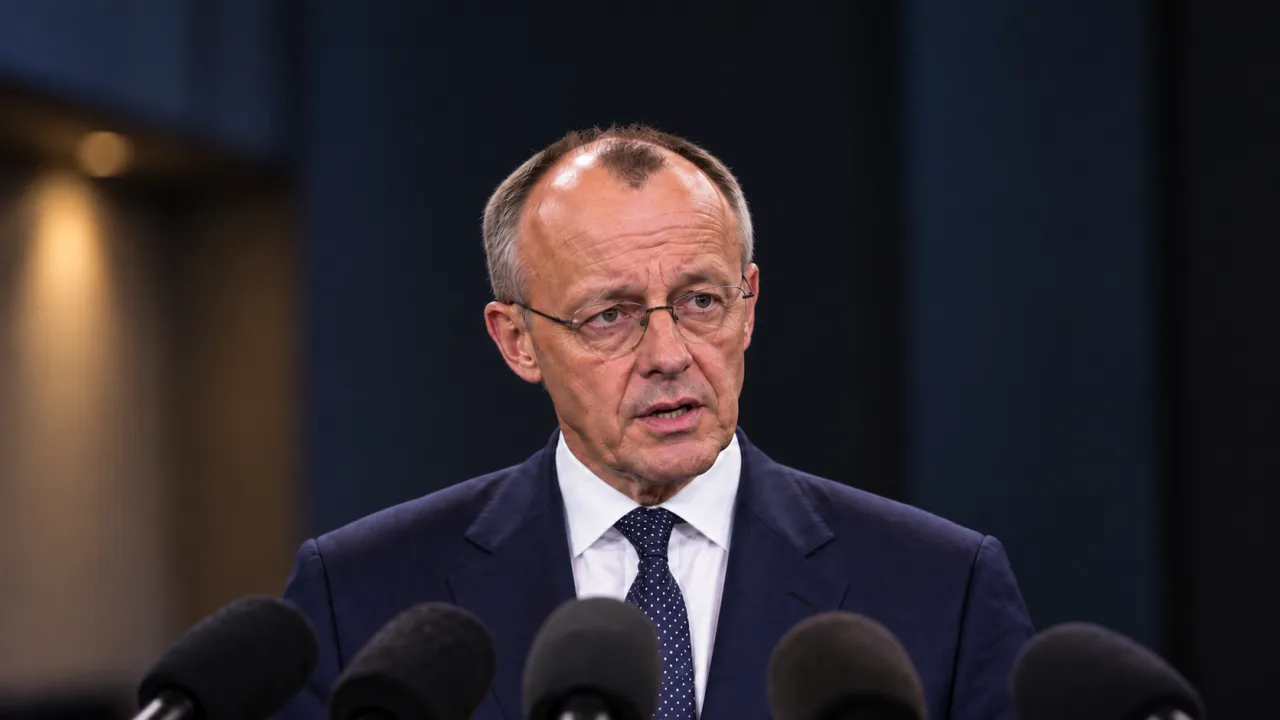
Lisbon, September 21, 2026. The Portuguese press is widely covering the double electoral earthquake that occurred on Sunday, September 20, 2026, across the border. In Mecklenburg-Western Pomerania, the Alternative for Germany (AfD) won with around 38% of the vote, according to the projection by the Forschungsgruppe Wahlen for the public channel ZDF, more than doubling its 2021 score (16.7%) and surpassing the SPD, which received 36.5%. The CDU of Chancellor Friedrich Merz collapsed to around 5%, its worst regional result since World War II, and risks being excluded from the Landtag for the first time in its history.
In Berlin, Die Linke came in first with around 24.5 to 25.3% ahead of the CDU at 20%, while the AfD gained up to 15%. The Observador quotes Merz: "the result in Mecklenburg-Western Pomerania cannot be ignored" and "it was a disaster." However, the Chancellor has ruled out any resignation, repeating his desire to "assume this responsibility" and continue the promised economic and social reforms.
The Jornal Económico emphasizes that the AfD's victory remains sterile in terms of seats: the party would obtain 27 to 28 deputies, far from the 36 needed for an absolute majority, and "all other parties categorically reject coalitions with the far-right." A new coalition led by the SPD, under the incumbent Minister-President Manuela Schwesig, appears to be the most likely outcome, continuing the existing alliance with Die Linke.
The 24 Notícias website recalls that around 2.5 million voters were registered in Berlin and nearly 1.3 million in Mecklenburg-Western Pomerania, a rural region of former East Germany, just sixteen months after Merz came to power. The same media outlet notes that the Chancellor's personal popularity had already fallen by 10%, amid stagnant economic growth and unfulfilled tax promises.
SAPO finally recalls that Merz had already resisted calls for resignation after the AfD's breakthrough in Saxony-Anhalt two weeks earlier and had promised to go "to the end of the four years" of his term. For Lisbon's editorial offices, the event goes beyond German domestic politics: it is the very solidity of the Merz coalition that is being called into question, with possible repercussions on Berlin's ability to weigh in on the European Union.
SOURCES (3)
- ObservadorMEDIUM
- SAPO NotíciasMEDIUM
- Jornal EconómicoMEDIUM