
DOMINANT ANGLE
Helsinki is weighing the German electoral earthquake in light of its own economic dependence: Germany remains Finland's leading trade partner, and a weakened chancellor is unsettling Finnish-German business circles.
Dominant angle identified — does not reflect unanimity of this country’s media
KEY POINTS
- 01
In Mecklenburg-Western Pomerania, the AfD receives around 38% of the vote and the CDU falls to 4.9%, below the 5% threshold, which Helsingin Sanomat describes as the worst electoral result in the history of the Federal Republic for the party
- 02
In Berlin, Die Linke comes in first with around 25% of the vote ahead of a CDU that has fallen to 20% (-8 points) and an AfD at 15-16%; Die Linke's candidate, Elif Eralp, could become mayor
- 03
Jan Feller, director of the Finnish-German Chamber of Commerce, quoted by MTV Uutiset, emphasizes that Germany is Finland's leading trading partner and that the AfD's breakthrough is mainly a protest vote
ANALYSIS
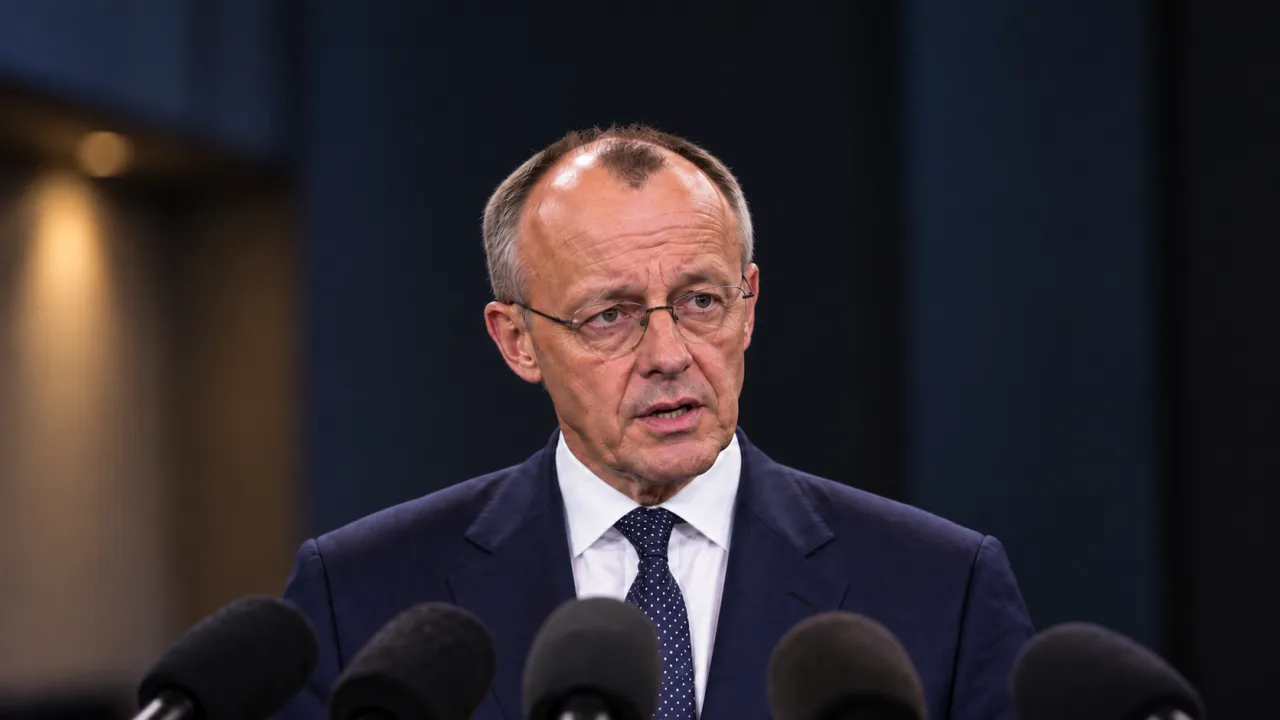
Helsinki, September 21, 2026. Two German regional elections dominated Finnish coverage this weekend: Mecklenburg-Western Pomerania and Berlin, which voted on Sunday. According to projections reported by the Finnish press, the Alternative for Germany (AfD) won around 38% of the vote in the northeastern state, while Chancellor Friedrich Merz's CDU plummeted to 4.9%, below the 5% threshold required to enter the state parliament. Helsingin Sanomat described this result as the "worst electoral result in the history of the Federal Republic" for the traditionally ruling party. Merz himself acknowledged, as soon as the first estimates were released: "We cannot sugarcoat the electoral result," before announcing that he would remain chancellor and accelerate his reforms, blaming radical parties "on the right and left" for undermining trust in institutions.
In Berlin, Die Linke came out on top with around 25% of the vote, ahead of a CDU that lost eight points to 20%, and an AfD that gained 15-16%. Die Linke's lead candidate, lawyer Elif Eralp, could become mayor, but will need to find coalition partners.
For the Finnish press, the stakes go beyond German domestic politics. MTV Uutiset quoted Jan Feller, director of the Finnish-German Chamber of Commerce, who found Merz's rapid response to the results "very unusual" and interpreted it as a strong signal of the party's support for accelerating reforms. Feller noted that Germany, the largest European economy, is also Finland's largest trading partner: "The better the German economy does, the better Finland does." According to him, the AfD's breakthrough is mainly a protest vote, with many voters describing their choice as a warning to other parties.
Finnish media also recalled that the AfD's victory in Mecklenburg-Western Pomerania follows its victory two weeks earlier in Saxony-Anhalt, and that all other parties there categorically exclude any cooperation with the far right. Merz's political fate, who came to power sixteen months ago with the promise of restoring Germany's European leadership, remains uncertain due to these results, which were widely reported through international agencies and Politico rather than Finnish correspondents on the ground.
SOURCES (5)
- YLE UutisetMEDIUM
- Helsingin SanomatMEDIUM
- IltalehtiMEDIUM
- MTV UutisetMEDIUM
- Ilta-SanomatMEDIUM