DOMINANT ANGLE
Belgrade is particularly mindful of Warsaw's warning about the rise of the AfD, with Poland fearing that German rearmament and nationalism could form a dangerous mix
Dominant angle identified — does not reflect unanimity of this country’s media
KEY POINTS
- 01
According to projections cited by N1 Serbia, the AfD is in the lead in Mecklenburg-Western Pomerania with 37.7% of the vote, compared to 35.5% for the SPD, with the CDU at 5.2%, just above the 5% threshold
- 02
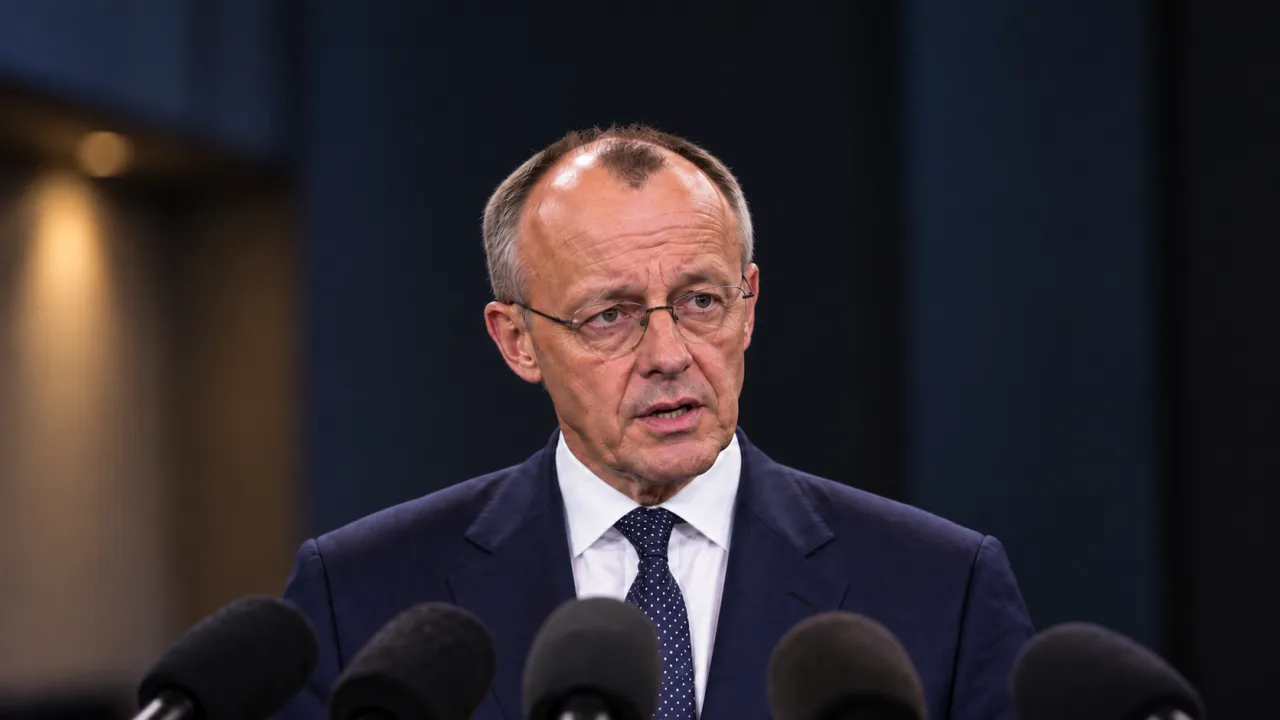
AfD co-chair Alice Weidel stated that Friedrich Merz "must draw lessons" from his party's defeat and abandon the "protective wall" preventing any coalition with the AfD
- 03
Polish Foreign Minister Radosław Sikorski said he has seen Polish nationalists and AfD MEPs "eating out of each other's hands" in the European Parliament, united in "anti-EU frenzy"
ANALYSIS
Belgrade, September 21, 2026. The Serbian press is primarily focusing on the reaction of the AfD itself and that of Warsaw to Sunday's vote in East Germany, rather than the details of the Berlin polls. According to projections reported by N1 Serbia, the Alternative for Germany is leading in Mecklenburg-Western Pomerania with 37.7% of the vote, ahead of the SPD at 35.5%, while Chancellor Friedrich Merz's CDU is at 5.2%, just above the 5% threshold. This election was described by Politika, before the vote, as a "new test" for a chancellor whose popularity rating had fallen to 14% in the polls.
The co-chair of the AfD, Alice Weidel, immediately called on Friedrich Merz to "learn from" this historic defeat and abandon the "protective wall" that prohibits any alliance with her party. She warned that the CDU had weakened itself by systematically refusing to cooperate with the AfD, according to reports by N1 Serbia.
However, it is the warning from Poland that is drawing the most attention from Politika. The Polish Foreign Minister, Radosław Sikorski, is concerned about the combination of German rearmament and the rise of nationalism, citing a troubling proximity between the Polish far right and AfD MEPs, whom he says he has seen "eating out of each other's hands" during debates in the European Parliament, "united in this anti-EU and anti-European frenzy". He also notes that the East German leader of the party refers to his region as "Central Germany", a shift that he considers revealing with regard to neighboring Poland, where he himself is from Szczecin.
The Serbian account does not dwell on the details of the Berlin election, where the Left was ahead of the CDU in the polls before the vote, instead focusing on the reading of a historic shift in East Germany: the CDU is nearing its worst regional result since its founding. Blic recalls that this double election comes just two weeks after the "shocking victory" of the AfD in Saxony-Anhalt, described by Angela Merkel herself as an earthquake, and that Berlin and Mecklenburg had already seen Merz weakened by the far-right party's breakthroughs in Lower Saxony. For the Serbian press, the stakes go beyond Germany alone: it is the credibility of the European cordon sanitaire against the far right that is faltering, just weeks away from other electoral deadlines on the continent.