DOMINANT ANGLE
Athens is particularly focused on the European implications of the German double election: a weakened chancellor and a Berlin left, via Die Linke, which electrifies the left of the continent.
Dominant angle identified — does not reflect unanimity of this country’s media
KEY POINTS
- 01
In Mecklenburg-Pomerania, the AfD gets around 38% of the vote, more than double its score five years ago, according to To Vima.
- 02
Friedrich Merz's CDU, below the 5% threshold, is out of a Landtag for the first time in its history - its worst regional performance since 1949 (To Vima).
- 03
In Berlin, Die Linke, led by Elif Eralp, comes in first with 25.3%, carried by 48% of 16-29 year olds (To Vima).
ANALYSIS
Athens, September 21, 2026. The double election on Sunday in Mecklenburg-Western Pomerania and Berlin is seen in the Greek press less as a German domestic issue than as a signal sent to all of Europe. To Vima headlines with "double urns" that "concern all of Europe", evoking a "dystopian, if not dangerous" image, where the breakthrough of the far right, the repeated negative records of the CDU, economic gloom, and a chancellor who still does not know if he is counting his days combine.
In Mecklenburg-Western Pomerania, the AfD surpasses the SPD of Manuela Schwesig and wins around 38%, more than double its score five years ago, while the CDU of Friedrich Merz, below the 5% threshold, is excluded from a Landtag for the first time in its history - its worst regional performance since 1949, according to To Vima. In Berlin, the opposite is striking: Die Linke, carried by the Turkish-origin lawyer Elif Eralp, 45, comes first with 25.3%, ahead of the CDU (around 20%), the AfD also progressing around 15-16%. To Vima nicknames her "the Mamdani of Berlin" and emphasizes that 48% of 16-29-year-olds voted for her.
This victory resonates particularly in Athens: Syriza welcomes, in a statement relayed by Naftemporiki, "a historic victory for the left" of its "sister party" Die Linke, which opens, according to it, "new paths for the European left" in the face of a far right in constant progression. Naftemporiki also relays Alice Weidel's call for the CDU to lift its "protective wall" against the AfD, the co-president judging Merz weakened in part because he refuses any cooperation with her party.
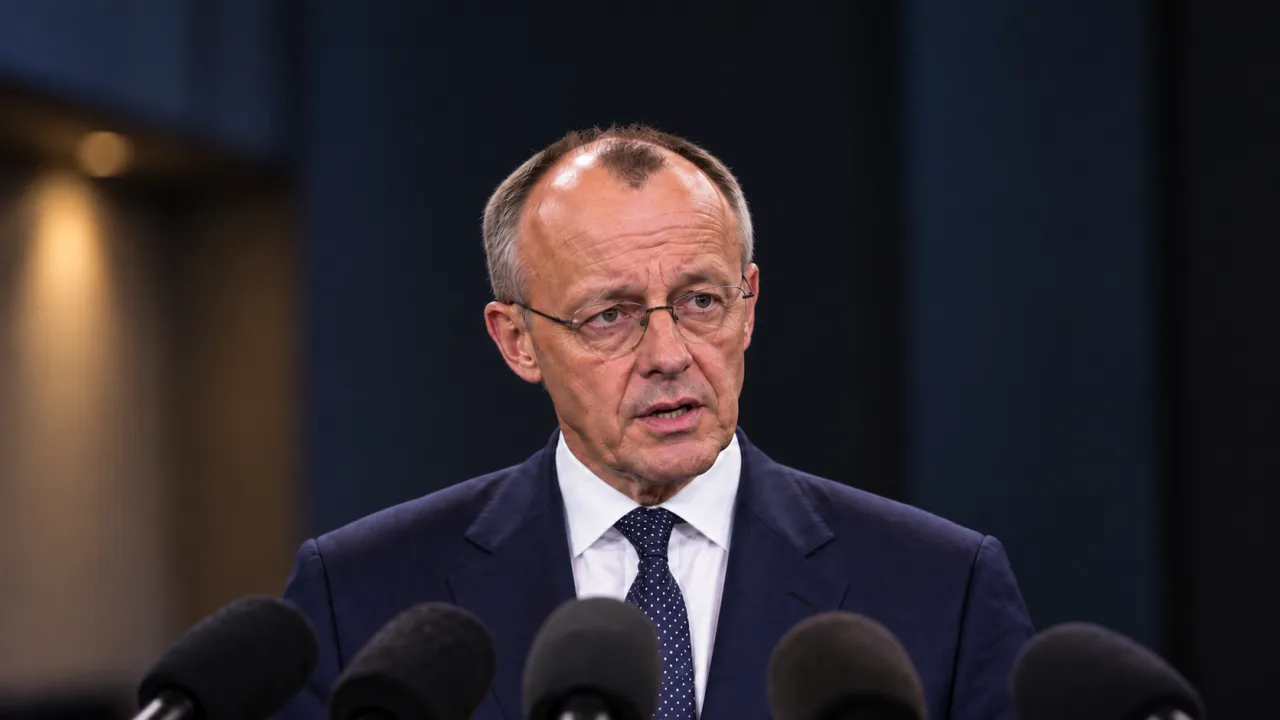
Merz, quoted by Naftemporiki and Protothema, has described the result as a catastrophe for his party while announcing that he will remain in office, with eight regional prime ministers publicly supporting him - Protothema notes that he remains not because the polls have validated his policy, but for lack of an agreed alternative within the CDU. Naftemporiki also details the profile of AfD voters: in the 2025 legislative elections, the party collected 38% among workers and 34% among the unemployed, but these two categories represent only a quarter of its total electorate.
SOURCES (3)
- NaftemporikiMEDIUM
- To VimaMEDIUM
- ProtothemaMEDIUM